This page is also available in / Cette page est également disponible en:
 Français (French)
From late 2025 through the start of 2026, Vancouver Symphony Orchestra (VSO) has been embroiled in turbulence.
On Sept. 12, musicians stood outside the historic Orpheum Theatre distributing flyers calling for a new contract and competitive pay, noting that musician compensation “lags behind comparable symphonies” across Canada, despite the VSO’s $53 million endowment fund.
At 5 p.m., Sept. 25, the musicians of the VSO walked out of the Orpheum, initiating the strike. That evening’s performance—as well as performances throughout the week—were cancelled.
On Sept. 26, the VSO released a statement that they were “disappointed on the impact this will have on our audiences and other stakeholders. …Our priority,” they stated, “is, and always has been, to support our musicians while ensuring the VSO’s ability to thrive for generations to come.”
Then, on Oct. 4, both the VSO and the musicians’ union issued statements that an agreement had been reached.
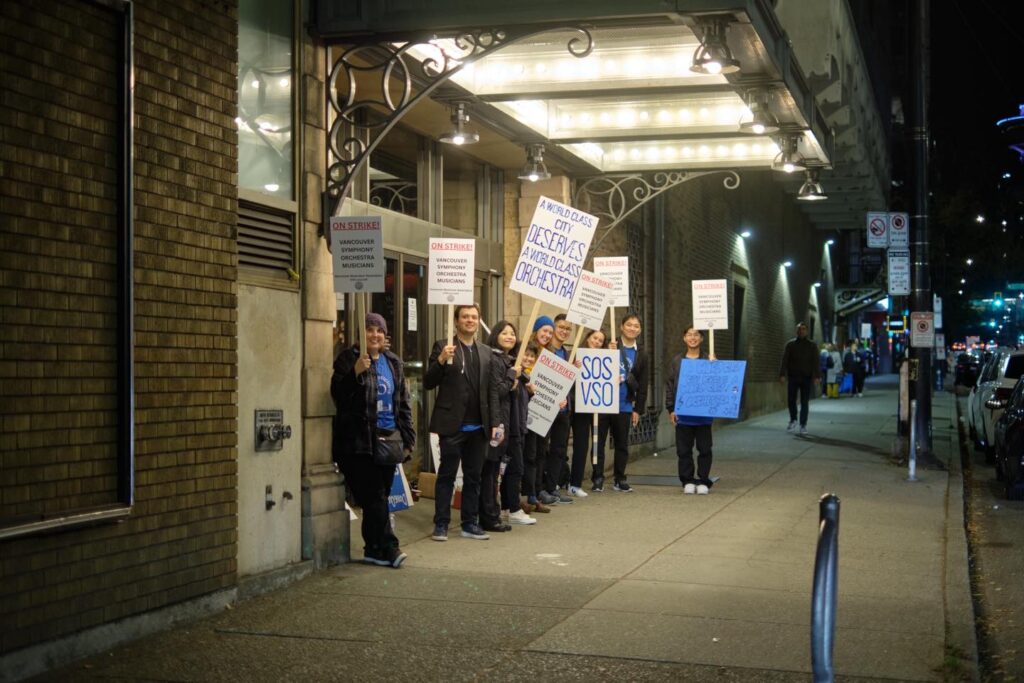
“What has stood out most throughout this challenging period is the extraordinary support we’ve received from our community,” the musicians’ union stated, adding that VSO President Angela Elser received hundreds of letters of support for the strike. “Our solidarity has never been stronger.” On Oct. 31, the union ratified a three-year collective agreement with the Vancouver Symphony Society.
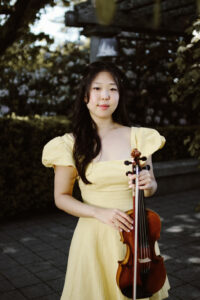
Then, on Dec. 17, violinist Esther Hwang stepped forward in a Globe and Mail article, saying she had been sexually assaulted by a senior member of the orchestra in 2017, when she was 22 years old. She also stated that the article’s publication broke the NDA she signed with the VSO in 2019. The musicians’ union, which had not made a statement since the announcement of their collective agreement, came out in public support of Hwang.
On Dec. 18, the VSO sent Hwang a cease-and-desist letter eliciting intense public backlash. The violinist then sent a letter to VSO musicians. “My focus is on the institution and its systemic failures,” she stated, before describing her experience with sexual violence and the long-term effects her 2019 settlement had on her relationship with the VSO. A change.org petition in support of Hwang received more than 15,000 signatures.
On Jan. 6, the VSO published an “Open Letter to the Classical Music Community,” in which they committed not to include confidentiality clauses in any future agreements involving sexual misconduct, and stated they did not intend to take any steps to bring a claim against Hwang.
“When a musician in our community suffers, and the integrity of our institution is called into question,” they stated, “we must take a hard and honest look at ourselves, our practices, and our responsibilities.”
Looking ahead to June 2026, IATSE Local 118’s agreement will expire. All eyes will be on this essential body of stagehands and technicians and their negotiations with VSO.
This page is also available in / Cette page est également disponible en:
Français (French)