

This page is also available in / Cette page est également disponible en:
 Français (French)
Teiya Kasahara is best known as the creator-performer of The Queen In Me, which plays with the operatic canon to critique the exclusion of marginalized voices in the opera industry. Trained as a coloratura soprano, Kasahara came to prominence performing roles like The Magic Flute’s Queen of the Night. More recently, they have moved on to heavier, more dramatic repertoire including Madama Butterfly’s Cio-Cio San and the title role in Salome. In 2020, Kasahara went viral as the ‘Balcony Soprano’ who sang familiar repertoire from their Vancouver balcony.
However, the categorization of soprano and the feminine roles that accompany it have never felt quite right to Kasahara.
In their adulthood, Kasahara embraced their transgender identity. Unlike the delicate, graceful and feminine characters they sang earlier in their career, Kasahara is bold, outspoken and distinctly not feminine. They wear tracksuits to rehearsals and reminisce fondly about the short, choppy hairstyle they wore as a child of the 1990s.
After immense reflection, they recently decided to start taking testosterone, a form of gender-affirming care which, among other changes, can dramatically alter a person’s vocal range.
It has taken Kasahara time to reach the place where they feel ready to take testosterone, and to accept the possibility of changes it might bring to their life and career. “Taking testosterone was never an option for me,” they say of their early career. “It was something that I always denied myself because I knew it would change my voice.”
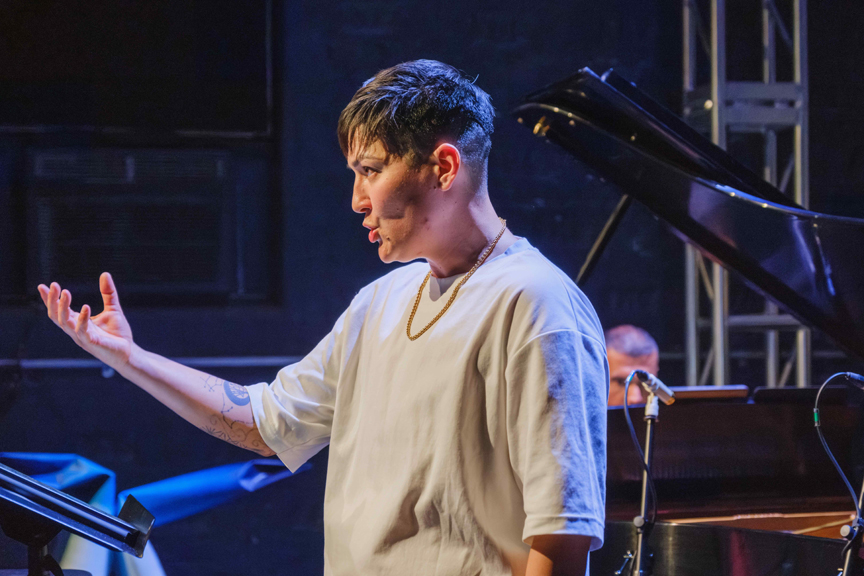
Kasahara has been taking testosterone for about two months now, and is noticing subtle changes in their voice. As they continue, their vocal cords will thicken and their voice will drop, forcing them to leave behind their identity as a coloratura. For a professional vocalist, this can be a terrifying prospect. “My voice is intrinsically linked to not only my identity, but my livelihood, my career, my career prospects. So it was never an option until …” they say, voice trailing off.
“I don’t know,” they conclude. Of course, there is rarely one moment we make the decision to upend our lives. At some point, it just becomes inevitable. Kasahara says that they slowly realized that “my truth is that I want to take [testosterone]and to embrace more of my trans-masculine identity. Yes, it will change my voice. But that desire and that truth is stronger and more important than a career in opera.”
Much of the process of preparing for their transition, Kasahara shares, “has been psychological work in preparing for grief, and preparing for loss or change.” More than the sound of their voice, Kasahara loves the feeling of performing. They worry that the change in their vocal range could also change the “full body, visceral experience” of singing, and the immense joy that it brings them.
But the potential of grief is not enough to scare Kasahara away from embracing their identity. “Grief is really a manifestation of love,” they share. “I lost my father about 21 years ago. That grief never goes away. It just is something that transforms. …There is grief because there is so much love.”
Kasahara continues to prepare for the first major drop in their vocal range, which will likely take place three months after they started testosterone. For now, they are enjoying the process of exploring what their voice can do in the in-between.
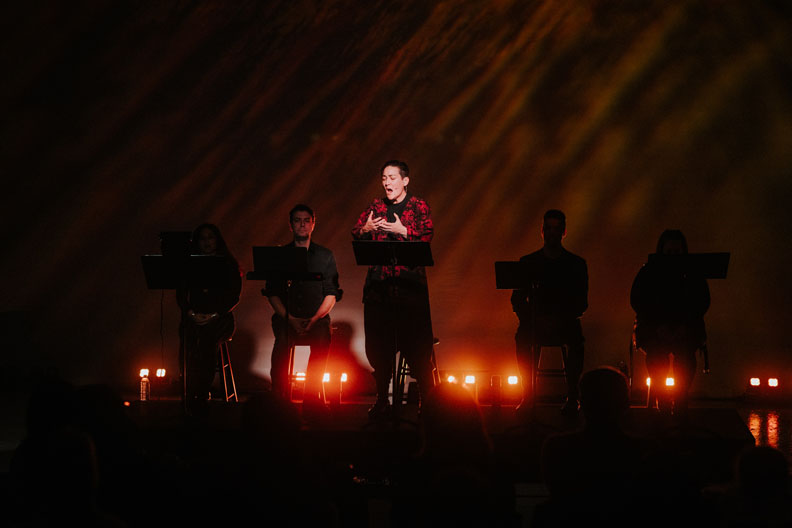
“I’ve been playing around with singing operatic tenor repertoire,” they say. “I have, obviously, a chest range, right? We all do inherently—we can make sound through our chest resonance or through our throat resonance. Ninety percent of the time I’m singing with my head resonance as a soprano. Now I’m just kind of shifting that ratio. It’s like, okay, let’s sing 70 percent in chest resonance.
“It’s been really fun to even just explore what those [soprano]colours sound like in relation to creating a tenorial sound. It’s all quite relative, right? Any human body could sing in whatever way they want to. It’s just that opera has categorized, ‘This is an operatic soprano or an operatic tenor.’”
Photo: Mel Carroll
Kasahara continues to experiment with their voice and to share their experience online with their autoethnographic video series, Project T. “I feel like sharing my story now could help people,” they say. “Let’s normalize the idea that we’re all transitioning. Even if you’re cisgender, everyone’s changing and transitioning and morphing. …There’s such beauty in that.”
“I’ve had 20 great years of professionally singing with this voice,” they say fondly. “I’m excited for the next 20 years. …I can choose to do whatever I want.”
Find Project T at www.teiyakasahara.com.
This page is also available in / Cette page est également disponible en:
Français (French)