The world of classical music is filled with prodigies and virtuosos. Excellence is the norm onstage in a large concert hall, and so it takes an artist of exceptional brilliance to deliver a performance that doesn’t just impress, but rocks you and stays with you long after the final note.
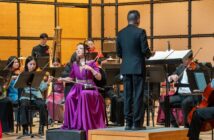
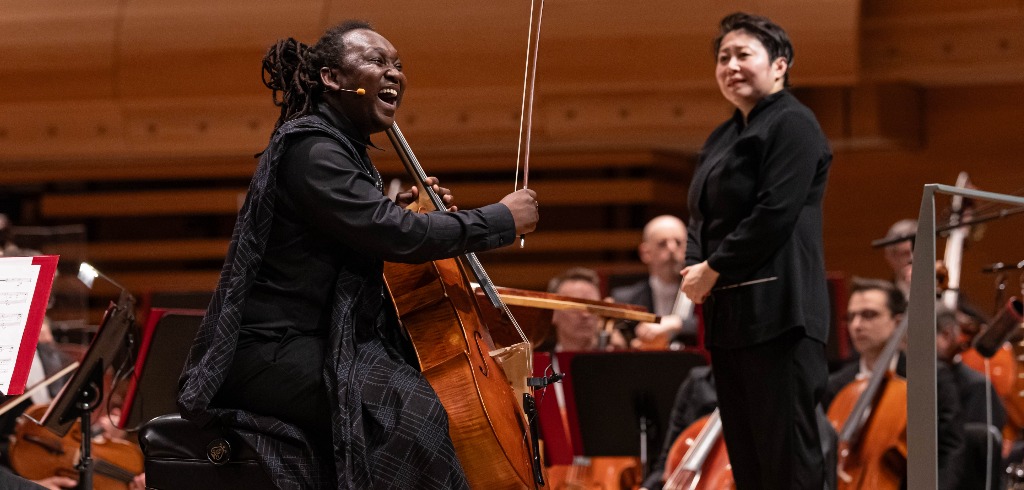
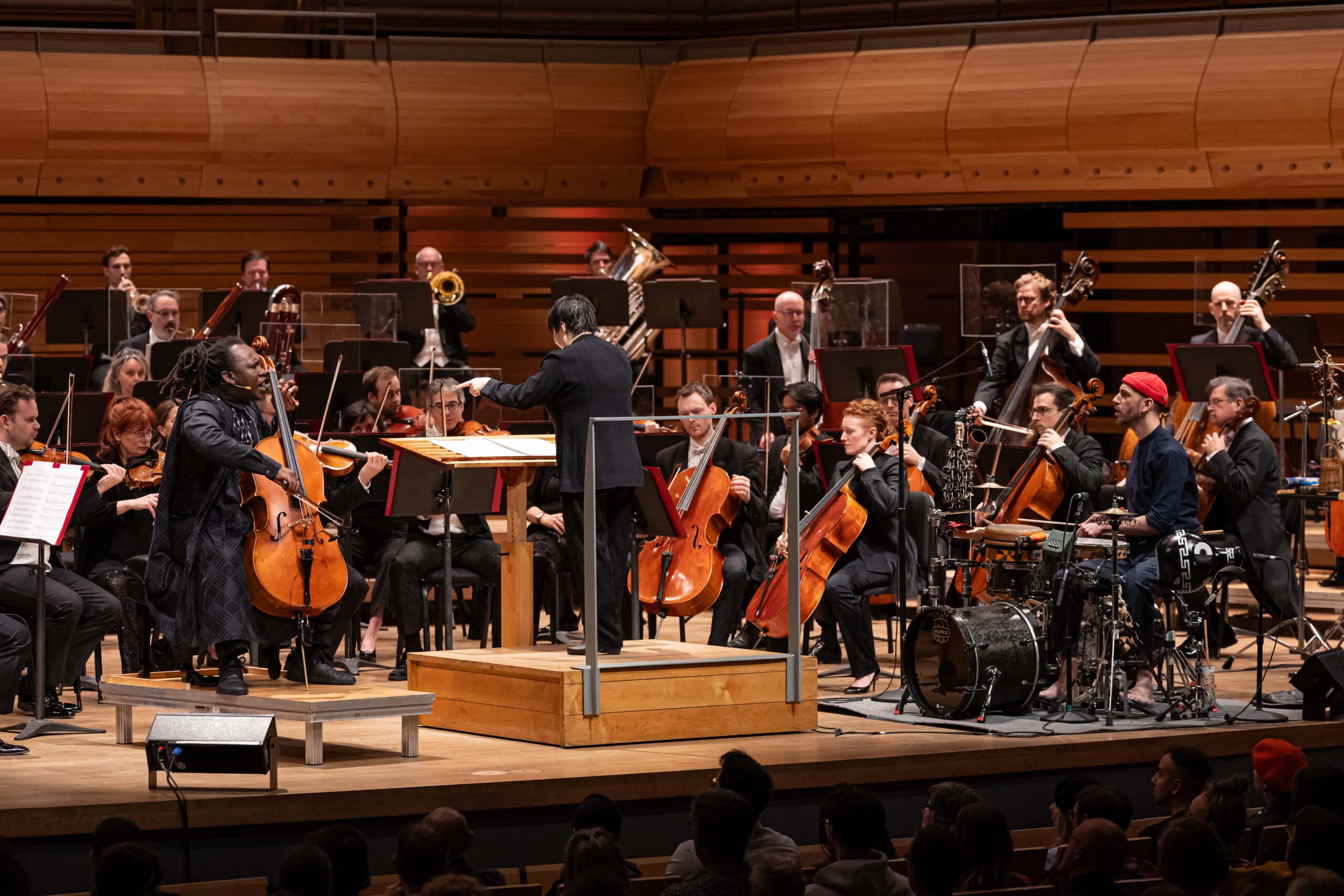
Abel Selaocoe is a South African cellist and vocalist who, at just 33, has emerged as a trailblazer in modern classical music. On May 21, a packed audience of concert goers gathered to witness him sing and play alongside the Orchestre symphonique de Montréal under the baton of celebrated Chinese-American conductor Xian Zhang and the superb Austrian percussionist Bernhard Schimpelsberger.
What you missed
In his rhythmic composition for cello, voice, and orchestra, Four Spirits, Selaocoe’s vision is clear. His work is composed of four scenes reflecting his hometown of Sebokeng near Johannesburg: “MaSebego” (“Traditional Healer” and spirituality in modern times), “Bana” (“Children” and their thought-provoking curiosity), “Tshepo” (“Faith” and our need for it even in its simplest form), and “Simunye” (“We Are One,” a story of community). Selaocoe’s music defies classical conventions, merging traditional contemporary aesthetics.
Four Spirits took us out of the mundane and into a new world for over half an hour. The explosive start of “MaSebego” gave way to a most pleasant surprise: Selaocoe’s voice. In both Southern Sotho and Zulu languages, his soaring falsetto, rich and full-bodied chanting, and raw and guttural umngqokolo throat singing highlighted his range and a complete mastery over his instrument.
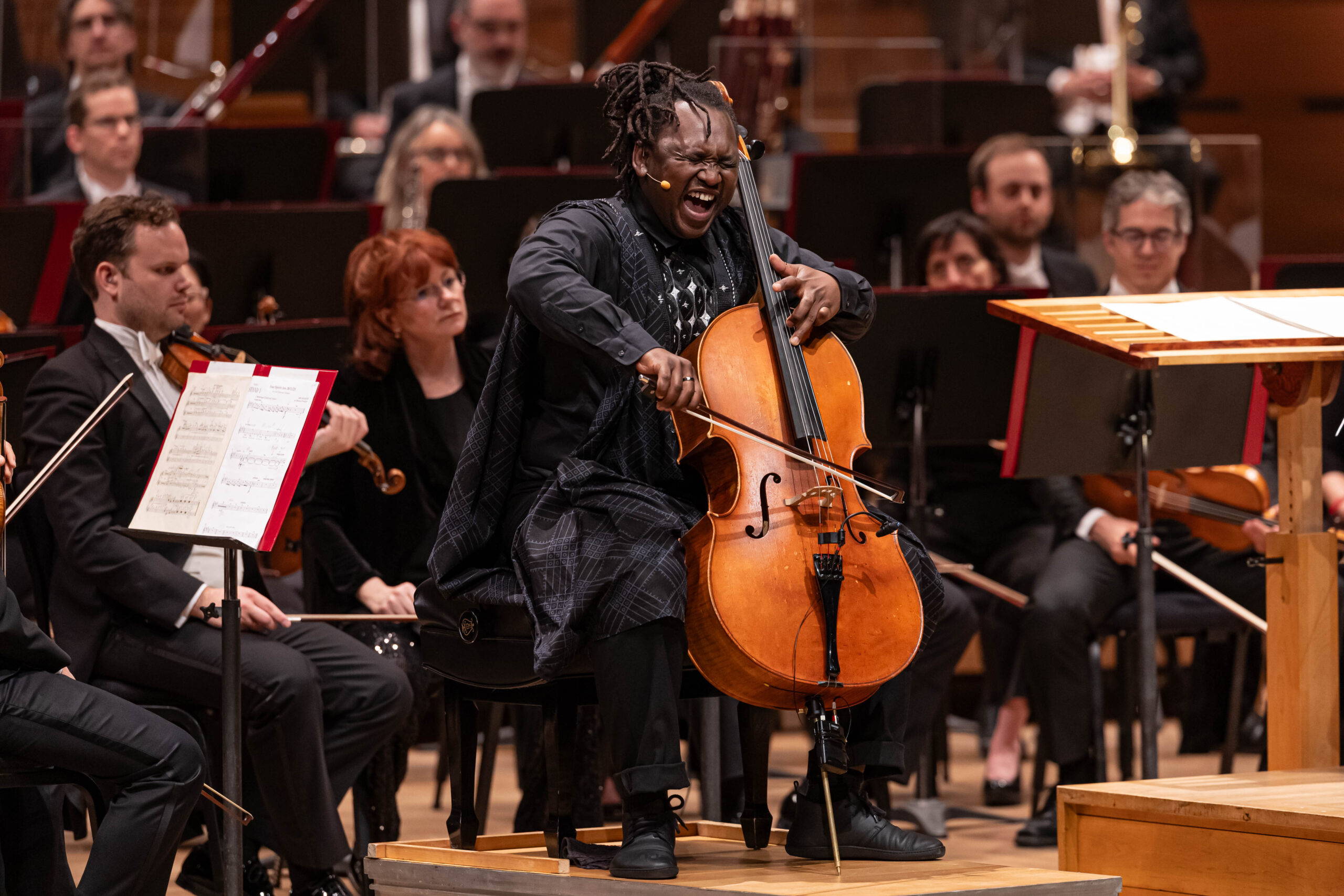
At times, he was sitting to play his cello, yet he often stood to sing with his eyes closed, seemingly pouring his emotions into the audience. Schimpelsberger sat at a drumset in the front, surrounded by various percussion instruments. At one point, he and Selaocoe engaged in an amusing yet inscrutable conversation, then merged in total synchrony, chanting and accelerating before the orchestra jumped back.
Four Spirits’orchestration was equally beautiful: lush and polyphonic, with an emphasis on rarer percussive techniques skillfully demonstrated by Schimpelsberger and the rest of the OSM percussion section. In the fourth section, Selaocoe invoked his message of community by directing the audience in a song of worship and harmony. This moving finale was greeted with thunderous applause, followed by an encore of some reimagined Bach.
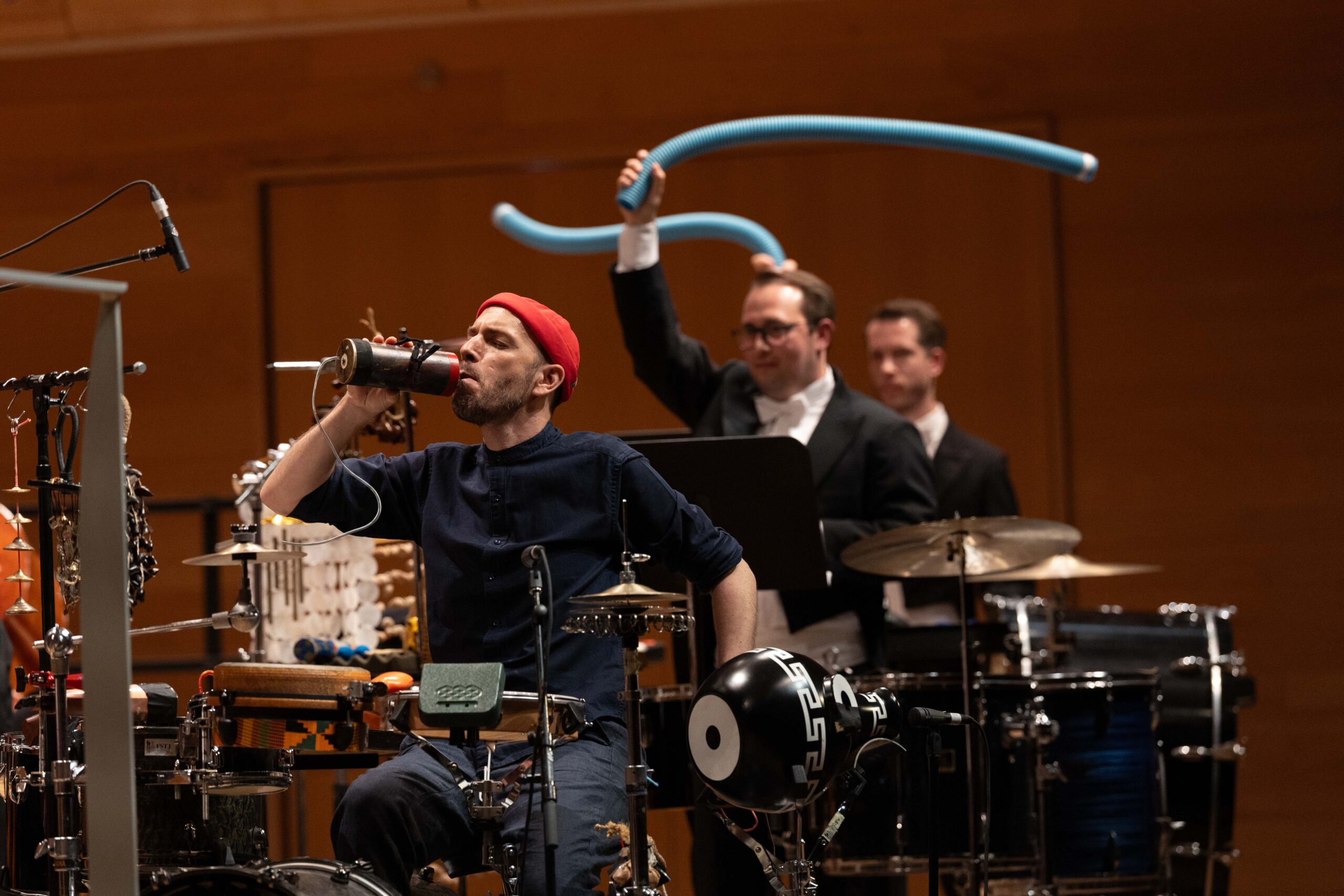
It’s impossible to categorize Selaocoe’s style as one genre. It is a union of a myriad of techniques and cultural inspirations, with echoes of hymns, folk, South African roots, and even jazz. It is fearless improvisation and spiritual transcendence. His immense stage presence and thoughtful words went beyond the music to include philosophical and even, anthropological statements. To say that his performance was ‘good’ is to underestimate it; it was explosive, provocative, and powerful.
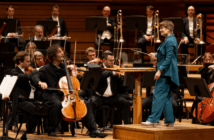
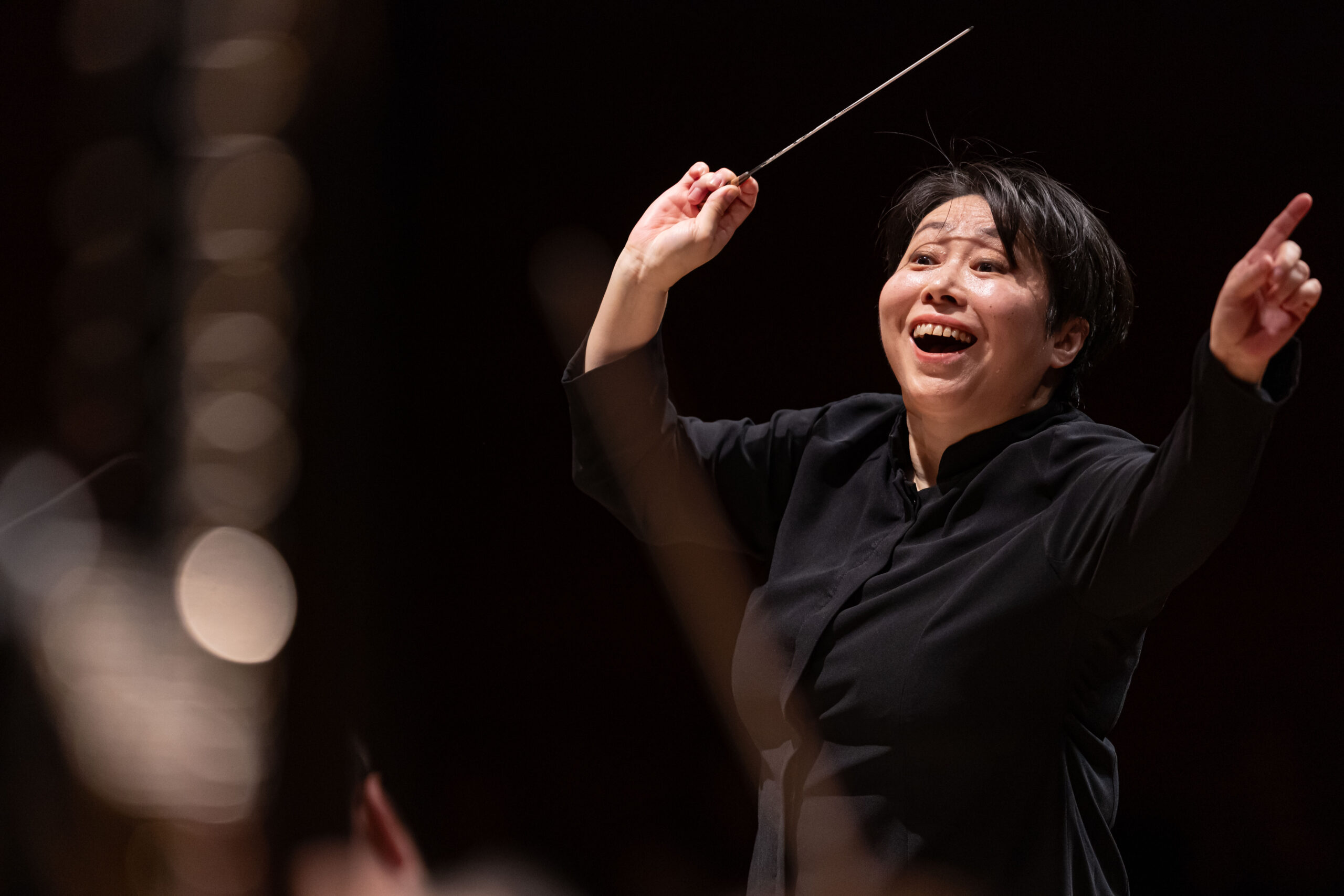
Also on the night’s program were Maurice Ravel’s Mother Goose Suite, as well as six excerpts from Sergei Prokofiev’s Romeo and Juliet led by Zhang. Her expressive conducting was reflected in the Mother Goose Suite, a piece full of joy and imagery based on popular fairy tales.
Shrill instruments like the piccolo and flute mimicked birds in “Little Tom Thumb.” A sweet clarinet and resonant contrabassoon duetted in a conversation between Beauty and the Beast, and a gorgeous tranquility paired with pealing bells conjured the magic of being in “The Fairy Garden.”
“Little Ugly Girl, Empress of the Pagodas” was chock-full of East Asian influence and stereotypes, though beautiful nonetheless. Zhang’s interpretation of Romeo and Juliet was well-balanced, and she had precise control over every movement. The work is emotional: tense and riveting in the familiar “The Montagues and Capulets” (aka “Dance of the Knights”), frantic and furious in “The Death of Tybalt,” and poignant in “Romeo at Juliet’s Grave.”
Gripes
Selaocoe left the audience abuzz and in full spirits with his vibrant music. His performance ended on an incredibly high note and he, according to many audience members, was the reason they’d attended. As such, it would have been ideal to rearrange the program, placing the Romeo and Juliet excerpts directly after Mother Goose and featuring Selaocoe’s performance, which was longer than the Prokofiev piece, after the intermission instead to heighten anticipation.
I’d be interested in seeing more context and explanations of the lyrics in Four Spirits to further understand the piece. I also found myself wishing for more distinct separation or pause between the four movements to pinpoint how the music and orchestration reflected the specific messages Selaocoe described for each.
For more on the Orchestre symphonique de Montréal season visit www.osm.ca