This page is also available in / Cette page est également disponible en:
 Français (French)
-
Hyperion4
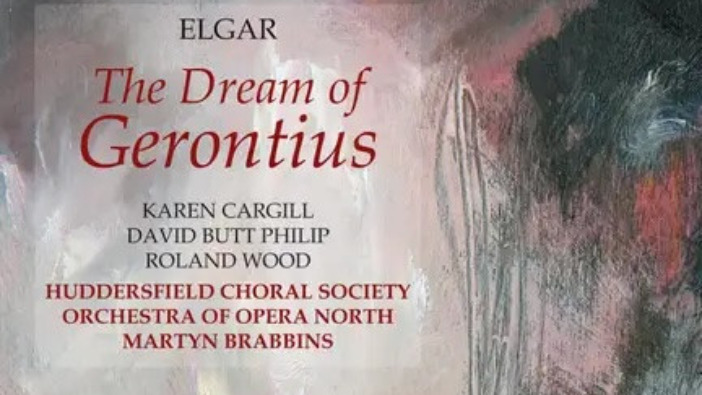
Edward Elgar’s great oratorio could justly be called a deathbed masterpiece – not his own, for it was written in the fullness of his powers, but that of Gerontius who spends the first part of the work dying in an agony of faith and doubt and the second in the company of a Guardian Angel who escorts him into eternity. The dying man is a tenor, the angel a soprano. A baritone and chorus cover the rest. The work is devotional and Roman Catholic though not preachy or pompous. Elgar is not in the business of saving immortal souls. He had trouble with his own.
 There is a tendency among conductors to play up the dark, rich orchestration, making Gerontius sound too much like Brahms’s German Requiem. In this Huddersfield recording, Martyn Brabbins steers clear of portentousness and delivers the work on its own considerable merit, free of any deference to European parallels. This is a proudly English performance – specifically, north of England with the orchestra of Opera North and the historic Huddersfield Choral Society, an ensemble which sang Gerontius right at the start of the First World War and again, depleted of the flower of its young manhood, at the very end. A recent film, The Choral, records these events.
Freighted with these memories, this performance has much to live up to and does so admirably. David Philip Butt is heroic as the tenor, every syllable articulated crisply. Karen Cargill is serenely angelic, alongside baritone Roland Wood and the powerful chorus. The pacing is persuasive and the string playing is equal to the best in the land. They sing as if lives depend on their togetherness. This is as cherishable a Gerontius as I have heard in years.
This page is also available in / Cette page est également disponible en:
Français (French)