This page is also available in / Cette page est également disponible en:
 Français (French)
Orchestre symphonique de Sherbrooke
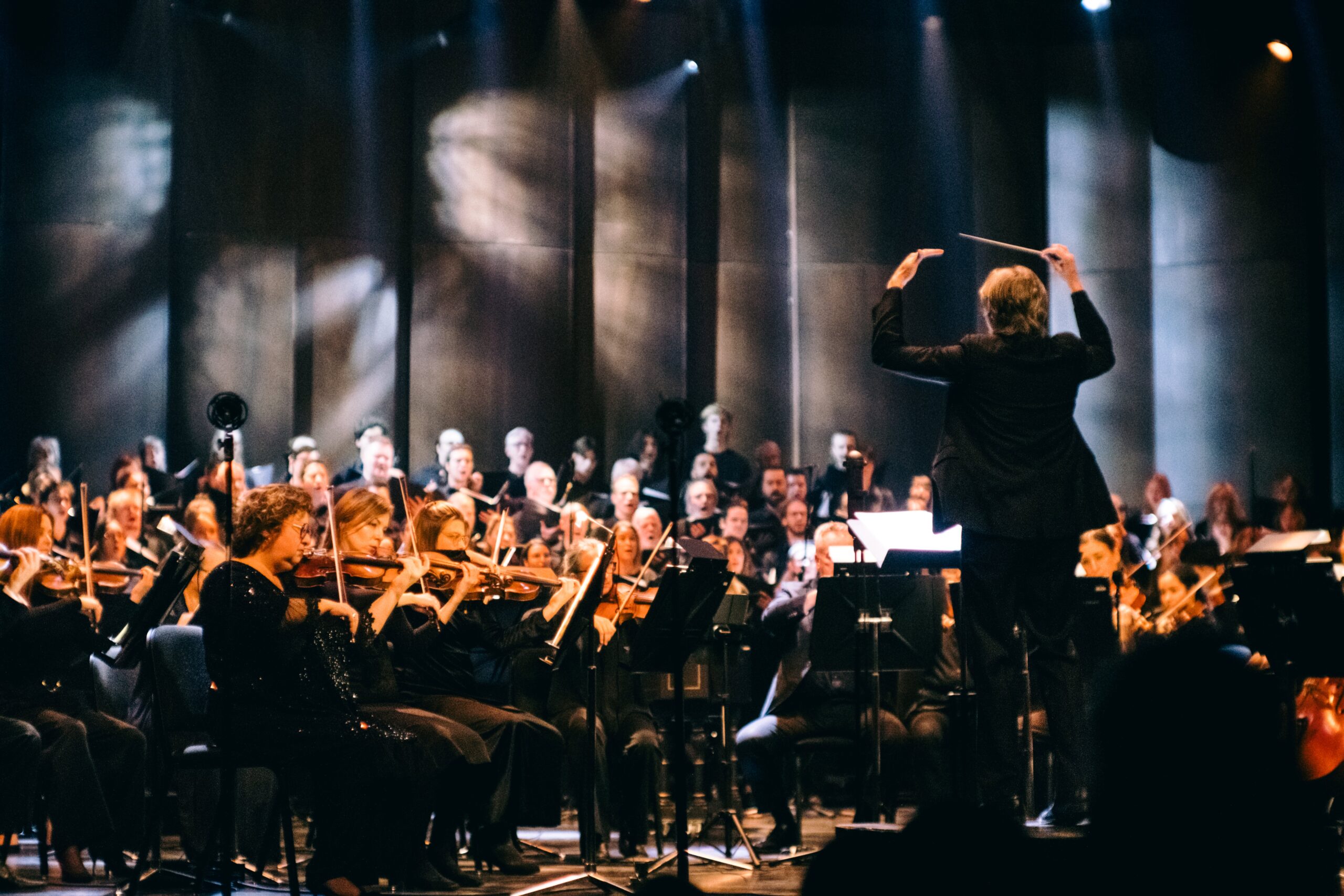
Founded in 1939, Orchestre symphonique de Sherbrooke (OSS) is one of the oldest symphony orchestras in Quebec. Its conductors and artistic directors have each made a significant impact on the orchestra. Brian J. Ellard introduced diverse programming; Marc David guided it to a professional status; and Stéphane Laforest helped shape its artistic identity in the modern day. Today, the orchestra is led by Jean-Michel Malouf.

Tafelmusik Baroque Orchestra
Founded in 1979, Tafelmusik has spent more than four decades redefining early-music performance on period instruments, earning international recognition through touring and recordings. Today, the orchestra is guided by Artistic Co-Directors Brandon Chui, Dominic Teresi, and Cristina Zacharias, with Rachel Podger serving as Principal Guest Director, a leadership model that keeps artistic decisions rooted in the ensemble itself.
This February, Tafelmusik will present Rameau & the Art of Dance, a program directed by baroque violinist Robert Mealy that pairs the composer’s kinetic French opera dance music with choreography by baroque specialist dancers Caroline Copeland and Julian Donahue.

Esprit Orchestra
Founded in 1983 by Music Director and Conductor Alex Pauk, Esprit Orchestra occupies a singular place in Canada’s orchestral landscape. From its earliest seasons, the ensemble has focused almost exclusively on contemporary music, building long-term relationships with composers and presenting Canadian premieres alongside new works from abroad.
Programs such as the upcoming Heat Efficiency and Hallelujah Sim pair world, Canadian, and North American premieres within tightly conceived evenings at Koerner Hall. Works by Aziza Sadikova, Dieter Ammann, Nicholas Ma, and Ben Nobuto sit alongside landmark scores by Claude Vivier and Poul Ruders, revealing contrasting approaches to structure, sound, and meaning. After more than four decades of activity, Esprit continues to function less as a traditional orchestra than as a living laboratory for orchestral creation.
Toronto Symphony Orchestra
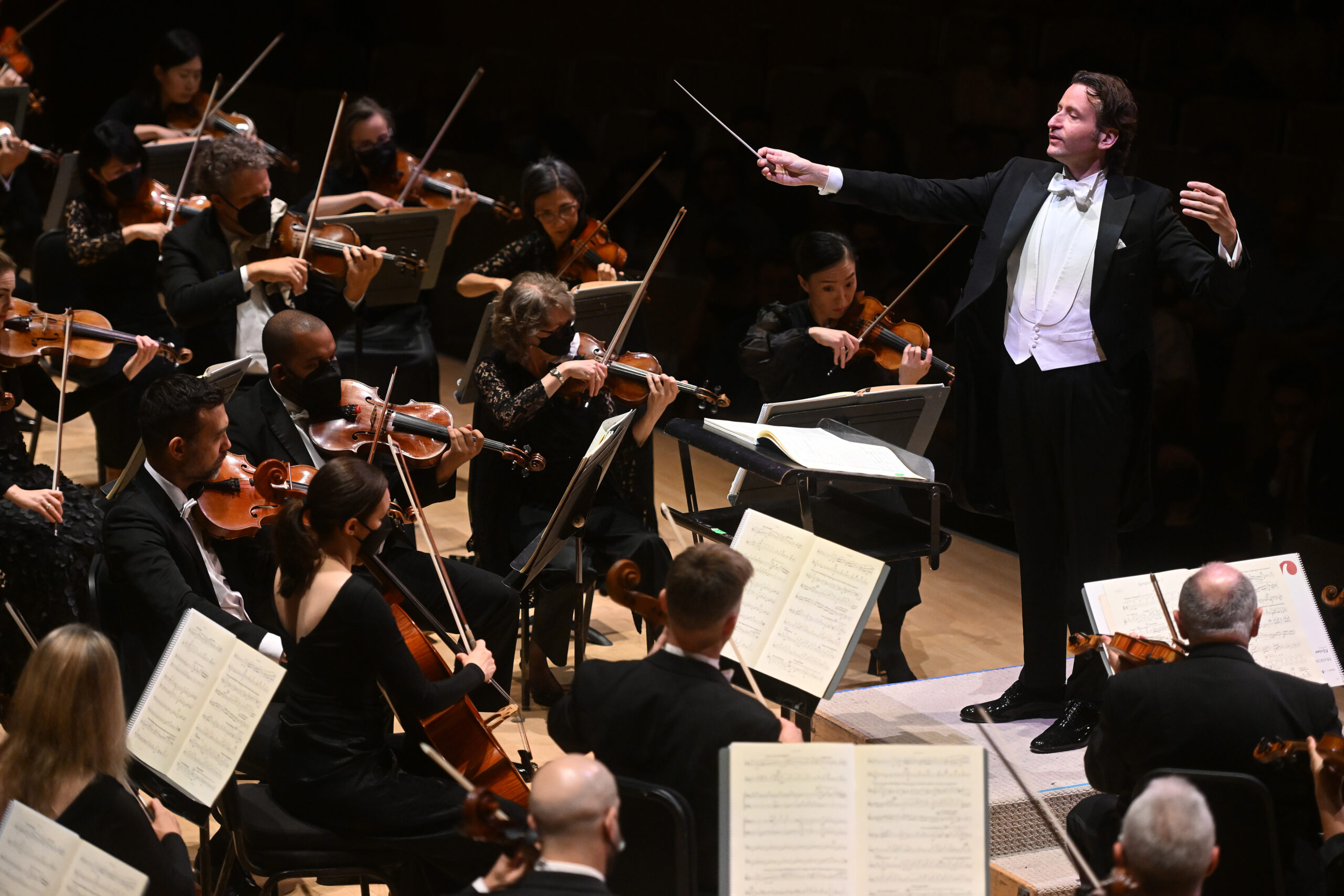
In 1923, conductor Luigi von Kunits assembled a group of volunteer musicians into the New Symphony Orchestra, renamed the Toronto Symphony Orchestra (TSO) in 1927. The orchestra quickly established itself in the community with fundraising efforts, children’s and Christmas concerts, and appearances on CBC radio broadcasts. The TSO subsequently built its international stature under the leadership of British conductor Walter Susskind, making its first appearance at Carnegie Hall in 1963. The ensemble is
now one of Canada’s premier orchestras, renowned for its innovative programming.
In recent years, TSO has made accessibility a priority. For example, the orchestra introduced Relaxed Performances to serve the neurodiverse and disability communities in 2019. These concerts feature a variety of accommodations including a quiet room, more freedom to move around the hall, and sound-reducing headphones.
“What’s on stage affects who’s in the audience,” says CEO Mark Williams, “so I feel a personal responsibility to make sure kids from all backgrounds, including ones like mine, see themselves here.”
Last season, TSO programmed new works by contemporary creators, popular music,
culturally diverse concerts for youth and film concerts, as well as the classics of the repertoire. “No matter what kind of music you like, there should be a place for you at the orchestra,” says Williams in an interview with 3 Magazine.
Mississauga Symphony Orchestra
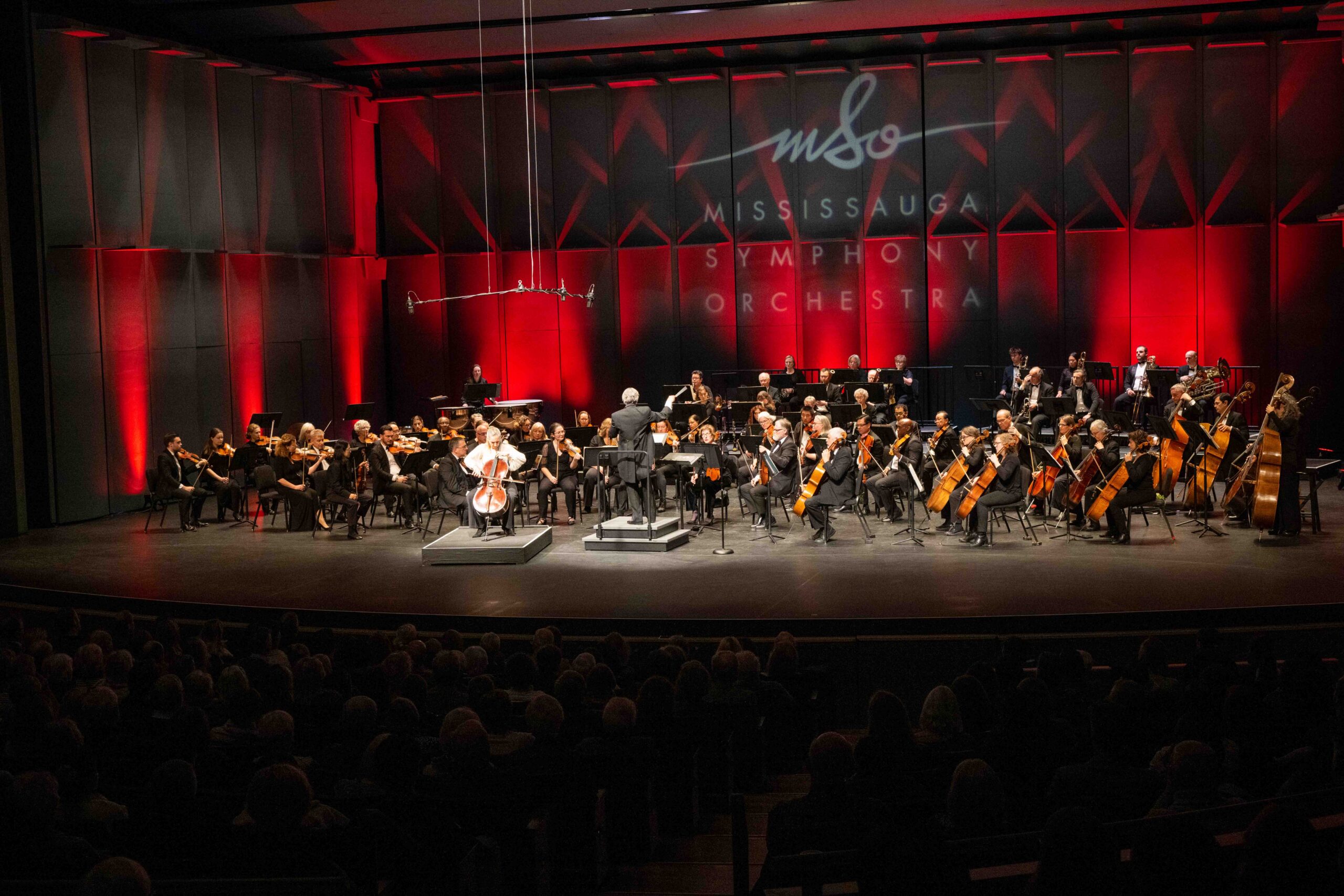
The Mississauga Symphony Orchestra (MSO) is recognized as Canada’s leading hybrid orchestra, known for its artistic excellence, ambitious programming, and strong commitment to community engagement. Performing in the acoustically outstanding Main Auditorium at the Living Arts Centre, the MSO presents concerts in a modern, world-class theatre widely regarded as one of the country’s premier performance venues.
Under the artistic leadership of Maestro Denis Mastromonaco, the orchestra delivers bold, carefully curated seasons across four main series. The Masterworks series spotlights iconic composers and cornerstone symphonic repertoire; the Holiday series features popular Christmas concerts; the Pops series spans everything from rock band-plus-orchestra collaborations to blockbuster movie scores; and the Opera series ranges from opera-in-concert to fully staged productions. Together, these offerings reflect a vision that pairs musical excellence with broad audience appeal, making the experience both personal and accessible.
A defining strength of the MSO is its integrated artistic ecosystem, reflected in the success of the Mississauga Symphony Youth Orchestra (MSYO). Serving more than 150 young musicians across three ensembles, the MSYO reflects the diversity of the community it represents and provides high-level orchestral training, mentorship, and performance opportunities. The MSYO offers meaningful pathways for young musicians to engage with professional artists and experience large-scale symphonic performances.
Through consistently high-quality performances, a premier concert venue, and a commitment to both excellence and education, the Mississauga Symphony Orchestra continues to play a vital role in shaping the future of orchestral music in Canada.
Ontario Philharmonic
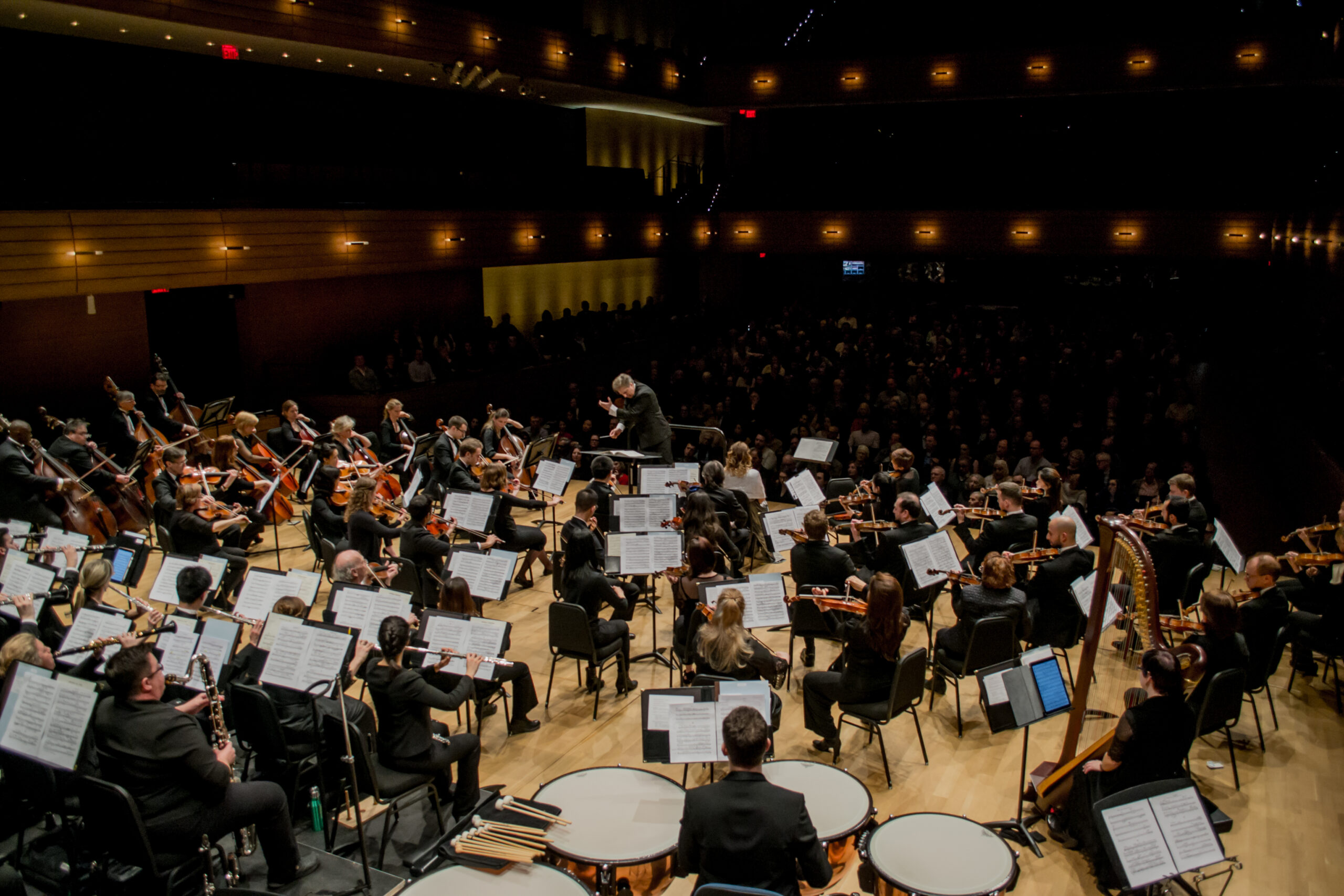
Based in Oshawa, Ontario Philharmonic (OP) was originally composed of local amateur musicians. The orchestra saw significant transformation under the direction of Maestro Marco Parisotto, who was appointed music director in 1996. Now, OP is one of the leading professional symphonic ensembles and performing arts organizations in the Durham Region, Oshawa and the Greater Toronto Area.
The orchestra is particularly engaged in celebrating multiculturalism within its community. Parisotto has been an influence on this front, given his international work, taking inspiration from other cultures. “His knowledge of traditional and contemporary music from multiple countries allows him to devise attractive programming for each and every one,” says Executive Director Laura Vaillancourt.
While OP is open to introducing new works, the orchestra also ensures its programming doesn’t neglect audience favourites from the standard repertoire. “When well-
introduced and passionately performed, our audience has reacted enthusiastically to unfamiliar and contemporary repertoire,” says Vaillancourt, emphasizing that it’s necessary to find a balance.
Fundraising and keeping pace with Canada’s societal development is key for OP in the coming years. The ensemble’s outreach includes its mainstay Classical Democracy Series, which assists families seeking to offer arts and culture programming to their children. Approximately eight different youth charity memberships attend OP concerts through this vital community service. The OP also maintains an 18-year association with the University of Ontario Institute of Technology, often using its historical Regent Theatre for concerts.
Windsor Symphony Orchestra
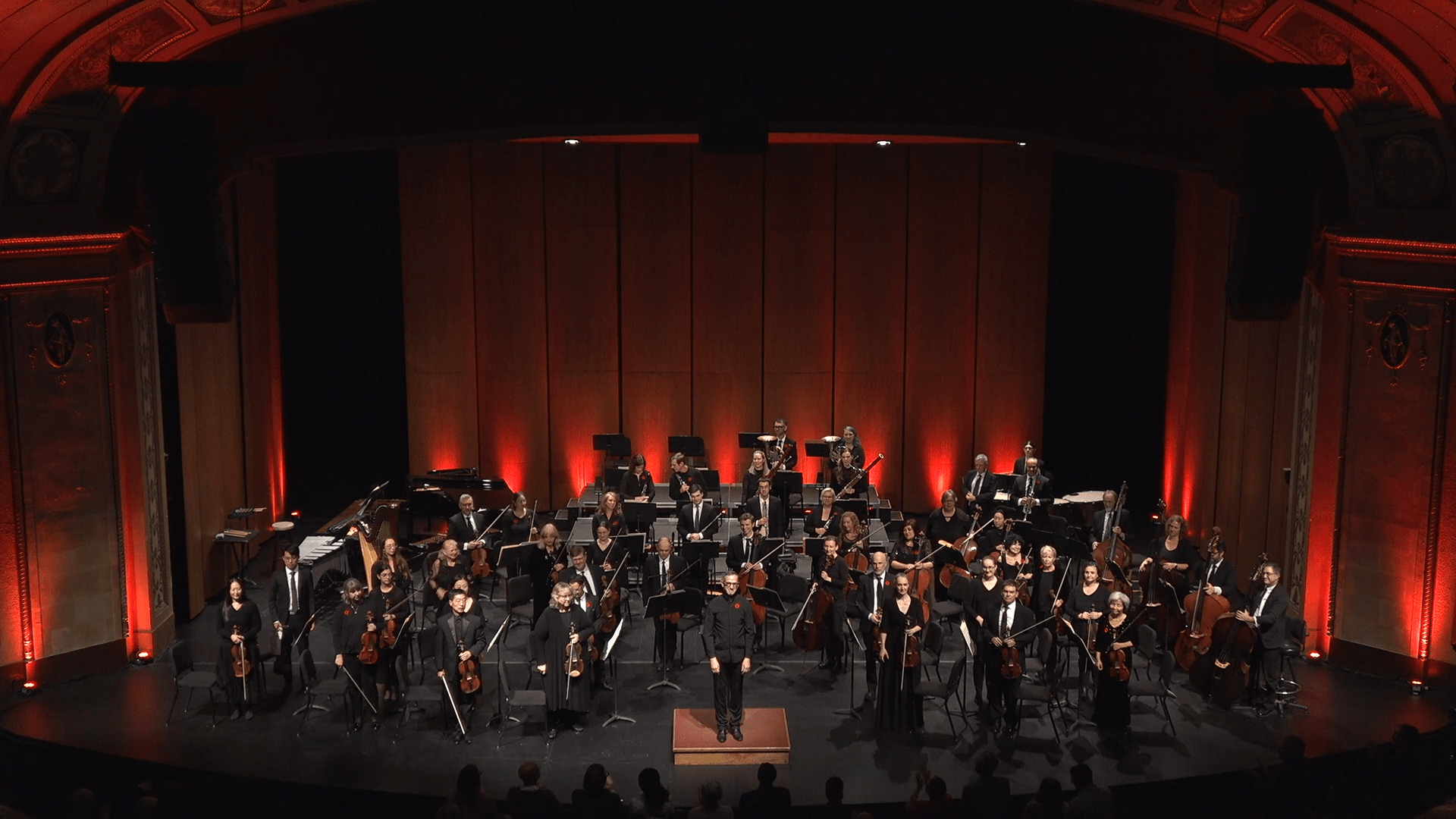
Windsor Symphony Orchestra (WSO) was founded in 1941 by CKLW radio staff musician Ernest Rennie to raise funds for Canadian servicemen. In its decades-long history, WSO has become part of the fabric of Windsor’s community. It was recently awarded the Pillar of the Community Award by the Windsor-Essex Chamber of Commerce.
“One of the most significant evolutions for WSO has been the growth of its education and community outreach,” says Executive Director Patti Lauzon. The orchestra’s education program includes one-on-one sessions between WSO musicians and school children to introduce them to the joy of learning an instrument. The orchestra saw 19,000 students at concerts and in schools in 2024.
WSO seeks to stay up-to-date with shifts within its community. It was the first orchestra in Ontario to pivot during the COVID-19 pandemic to offer music and outreach online. More recently, WSO expanded its repertoire to reflect and celebrate Windsor’s cultural diversity. The 2024-25 season featured Indian-inspired music and dance, Chinese instruments, and Indigenous composers, embracing the influence of these local cultures. The organization also launched the OnStage and Café Concert series a few years ago to connect with audiences in a more intimate setting.
WSO is currently searching for a new artistic leader after the death of longtime Music Director Robert Franz in September 2025. Though this has left a notable absence, the orchestra carries on his legacy as a key contributor to Windsor’s flourishing arts community.
This page is also available in / Cette page est également disponible en:
Français (French)