A sense of expectation hung over the Opéra Bastille before the curtain rose for the Sept. 24 opening night of Verdi’s Aida. The foyer murmured with anticipation, its audience drawn as much to Shirin Neshat’s controversial staging as to what promised to be an exceptional performance of Verdi’s masterpiece.
If still little known in the opera world, in the art world, this affable, diminutive figure with striking coal-black eyes is a star. Her black-and-white calligraphed portraits, video installations, and films have been praised and presented in prestigious collections internationally for three decades. No wonder that among those present were gallerist Thaddaeus Ropac, American artist Robert Longo, and Anselm Kiefer, who premiered his own scorched earth opera Am Anfang on this stage in 2008.
As soon as the lights dimmed, the atmosphere settled into focused anticipation. The orchestra tuned, and Italian conductor and Verdi specialist Michele Mariotti mounted the podium. Over the next three hours we witnessed less a “new production” than a culmination—Neshat’s Salzburg Aidas from 2017 and 2022 pared to an edge and intensified to a point of no return.
From Salzburg to Paris
I remember being at the premiere of that first Salzburg Aida in 2017. Neshat seemed then a shy genius, an artist bowing before intimidating powers. Riccardo Muti, the festival’s high priest of Verdi, had made it clear he didn’t want any videos intruding on his score.
Anna Netrebko dominated the stage with the kind of magnetism that can flatten any concept. And the very snobby Salzburg audience seemed to be waiting only for her. Neshat’s images, confined to still photographs and minimal projections, felt like a tentative offering, beautiful but restrained, as though she were testing the waters of opera’s grand temple. By the 2022 revival, her touch had grown surer, the video element stronger, the political undertone more pronounced. Paris could expect more.
A Staging Stripped Back
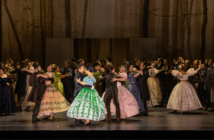
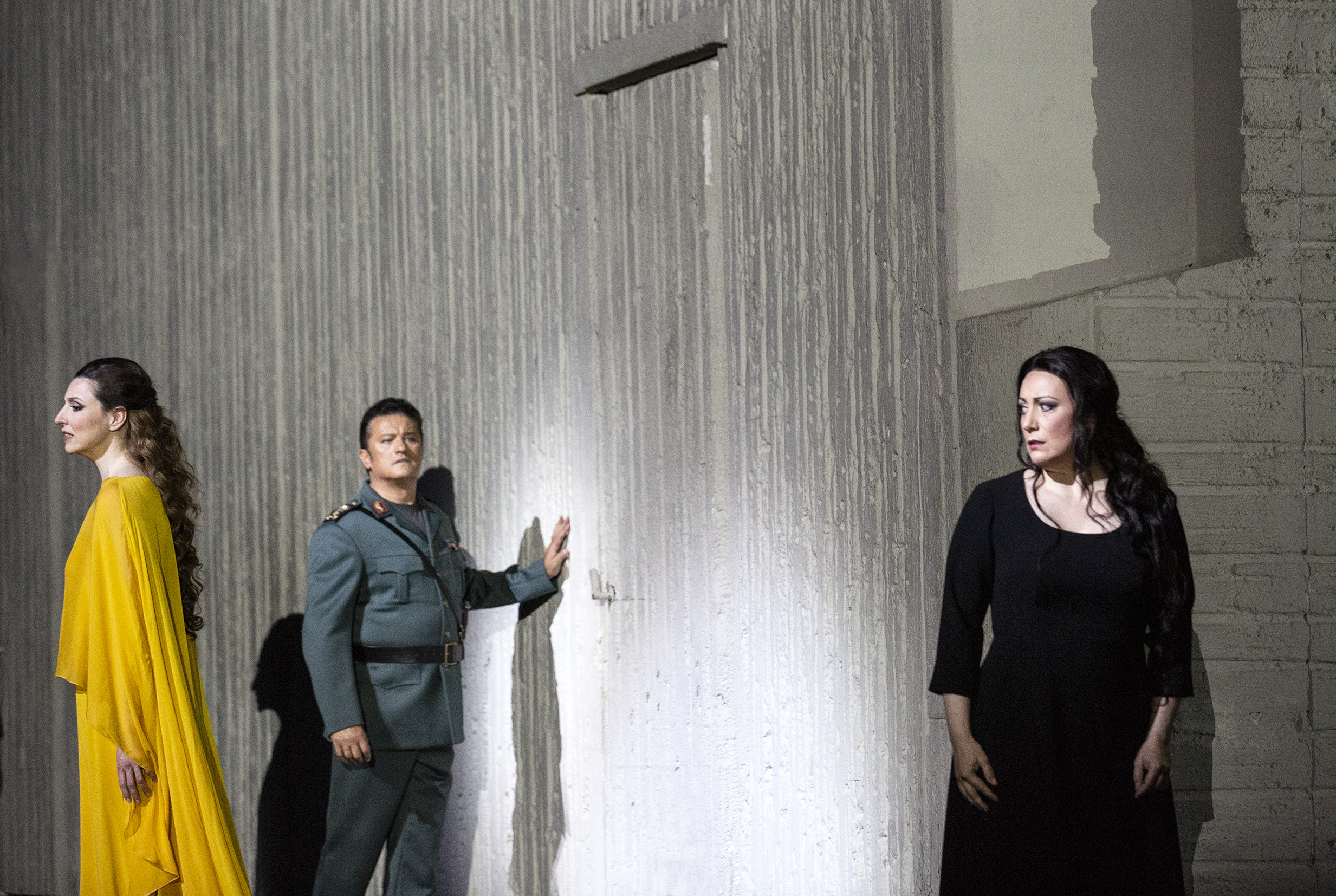
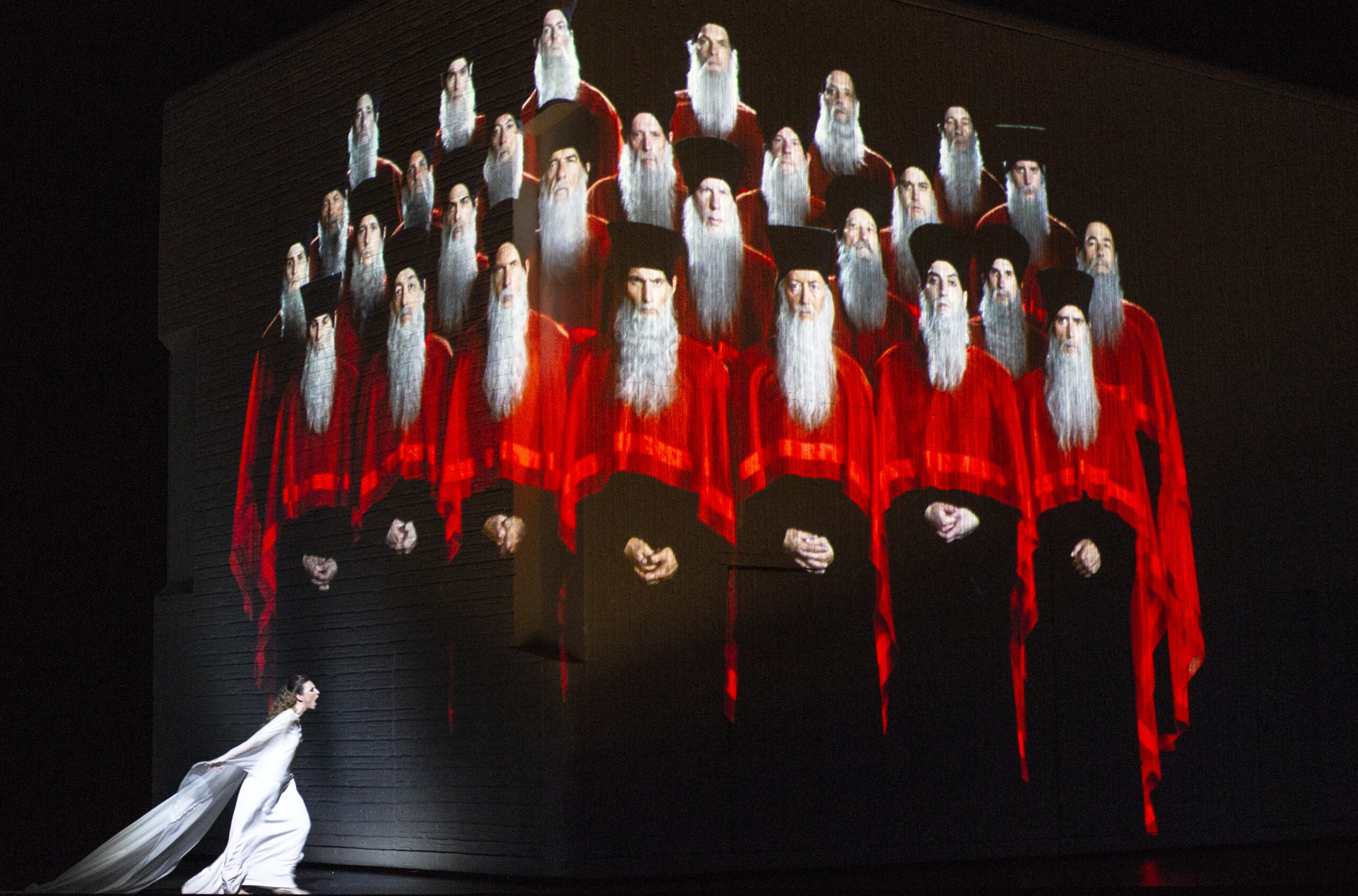
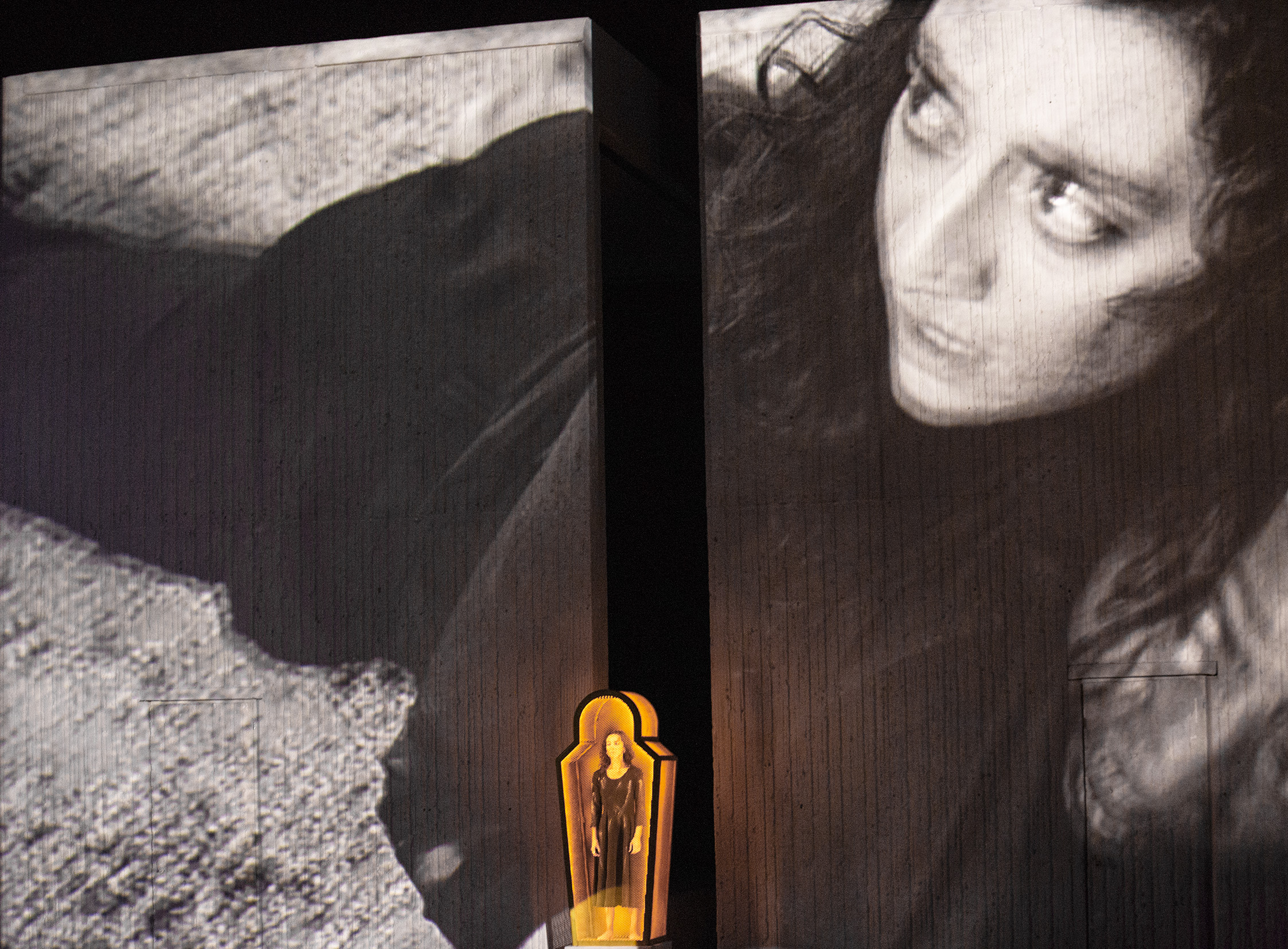
In place of the familiar Egyptian spectacle, Neshat presents a stage of stark contrasts: a white cube that opens and closes (sets by Christian Schmidt), projections of veiled women, battlefields and striking portraits covered in calligraphic Persian script. Even the Act 2 ballet yields to a film showing dancers as Ethiopian captives, fearing for their lives as they are beaten and raped by Egyptian soldiers—a tableau of brutal subjugation, a stark reminder of atrocities currently unfolding across the globe.
The Iranian/American artist’s long-standing focus on injustice, especially against women in her homeland, is still evident. Since the “Woman, Life, Freedom” protests the references feel more direct. Yet the craft is exquisite: crowd scenes read as living tableaux; small gestures between characters are etched with cinematic clarity. Where the Salzburg Aidas still hedged their bets between symbolism and theatre, this Bastille version simply “says it,” without sacrificing musical space or dramatic pacing.
Sound and Spectacle
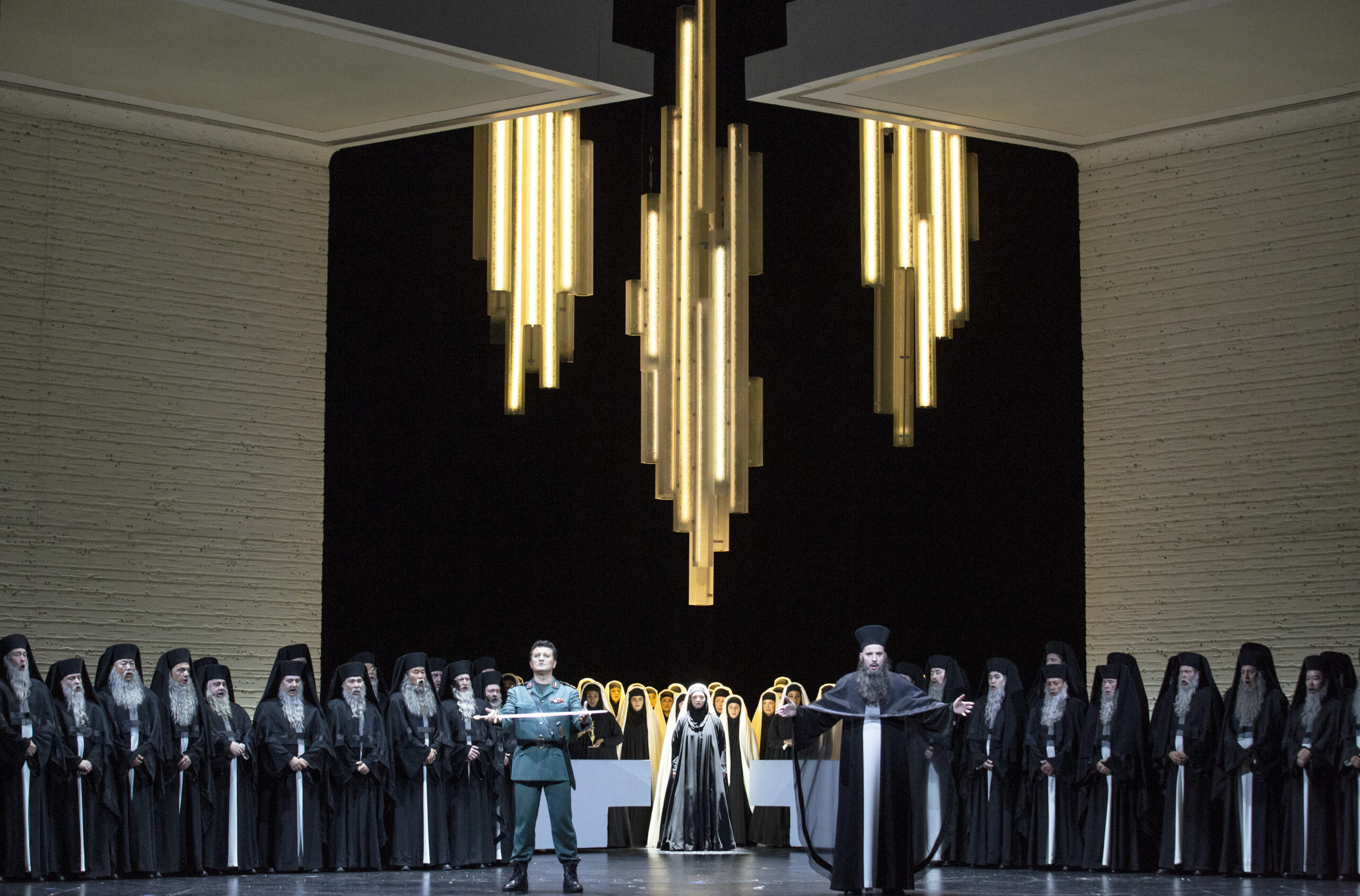
Mariotti leads the Orchestre de l’Opéra national de Paris in a reading that resists bombast. Strings stay supple, winds transparent, Verdian climaxes grow organically rather than exploding on cue. Strings are light, winds clear, climaxes built rather than blasted. The chorus under Ching-Lien Wu sounds like a single, flexible instrument. In the triumphal march, onstage trumpets are lined up on the edge of the stage, their bright tone cutting across the pit with dense sonorities. Instead of a victory parade, the scene plays like a ritual of power, the fanfare less celebratory than ominous.
Voices in High Relief
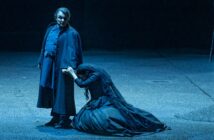
The cast is strong, if not perfectly balanced. Polish tenor Piotr Beczała is a heroic, noble Radamès, his phrasing elegant and his top notes ringing true. French mezzo Ève-Maud Hubeaux makes a vivid Amneris, combining vocal fire with real dramatic shading—her Act 4 breakdown felt like the opera’s moral pivot. Russian baritone Roman Burdenko brings both authority and vulnerability to Amonasro, Aida’s father. In his hands the role becomes more than the stock “noble savage” Verdi inherited from his sources. Burdenko shapes him as a father exiled and torn, his dark tone softening just enough to show love for his daughter.
If there is a weak link it is the title role. Spanish soprano Saioa Hernández sings with dignity and warm lower notes but strains at climactic high phrases. She conveys Aida’s inner conflict but not always the sheer amplitude that the Bastille’s vast space and Neshat’s monumental imagery demand. Still, her duets with Beczała glow with sincerity, and she shapes “O patria mia” as an intimate prayer rather than a showpiece.
A Milestone for Opera and for Neshat
The evening marked the moment when Neshat’s long engagement with exile, gender and power fully entered the operatic mainstream. The Bastille house, once a site of controversy for Kiefer’s Am Anfang and Bill Viola’s Tristan und Isolde, now hosts another artist-outsider turning Verdi’s imperial spectacle into a contemporary reflection.
What remains after the final duet, as the white cube closes and Radamès and Aida disappear, is not just admiration for a well-staged opera but a sense of tension—art that avoids prettifying power yet still allows Verdian melody and human feeling their place. Neshat has sharpened her political vision without losing her sense of theatre.
Afterwards Alexander Neef, Paris Opera’s general director, told me with evident satisfaction that this Aida would stay in the repertoire, with the next outing already scheduled for 2027—a fitting decision that places Neshat’s version within the company’s ongoing history.
Opéra national de Paris’s Aida continues its run at Opéra Bastille through Nov. 4