This page is also available in / Cette page est également disponible en:
 Français (French)
-
Independent4.5
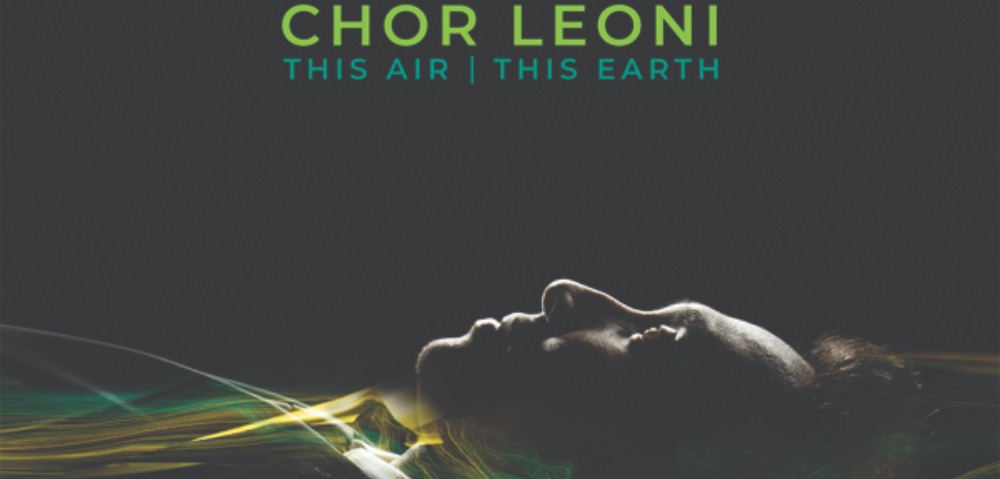
Chor Leoni: This Air | This Earth
Tina Chang, piano; Jonathan Lo, cello; Vivian Chen, harp; Julia Nolan, saxophone; Chor Leoni; Erick Lichte, conductor
Independent, 2025
The latest release from the Vancouver-based choir Chor Leoni features two major works commissioned by the organization. Beginning with “High Flight,” a six-movement piece by Canadian composer Don Macdonald, this album explores life and death—with special consideration paid to emotional and physical legacies. This theme is expanded upon in Dr. Melissa Dunphy’s “The Things We Leave Behind,” which captures snapshots of people’s lives via the items they leave behind after dying.
This album is most successful in its unified message; the two works seem an extension of one another, showcasing how our impact can outlive us. This is demonstrated in “High Flight” in which RCAF soldier-poet John Gillespie Magee Jr. wrote about his youth, his experience becoming a pilot, and the realities of war. “High Flight” is Magee’s most famous work, penned only three months before he died in a training-mission collision. Composer Macdonald writes on his personal website that he chose to set this poem as an “epitaph” for Magee and countless other airmen who died before their time.
“The Things We Leave Behind” sounds like a collection of short stories. Each movement centres on a different physical thing that gets left behind: a doll, lacustrine deposits, an engagement ring. By touring these various scenarios, Dunphy exemplifies that no one leads an invisible life. Rather, we change the environment each day that we exist on this earth.
The first movement, “A Day in Eternity,” begins with an instrumental by pianist Tina Chang and cellist Jonathan Lo. The soft and wistful notes lead into a slightly more hopeful tune as the voices of Chor Leoni, directed by Erick Lichte, join in. The smooth blend of the united voices, piano, and cello makes listeners feel as if they are being carried by the wind, following its natural gusts and lulls.
The first two songs are mostly beautiful and delicate, seemingly reflecting Magee’s innocence in his youth. The third song becomes ominous and almost threatening in its dramatic dynamics as the choir sings “Death comes swift and cold.” Its ending stood out to me the most as the choir projects its voices loudly into the ear before fading out until only the piano can be heard, slowly walking down the keys into silence.
Chang, Lo, and Chor Leoni navigate this work gracefully, mastering both the calm and animated sections. “Battle,” which evokes the panic and brief reprieves in combat, allows the musicians to showcase how they navigate layered emotional pieces. The thudding piano and unconnected notes from the strings in the background adds to the menacing atmosphere of the piece. Meanwhile, the singers repeat certain words and phrases so that they are brought into sharp focus in the listener’s mind: “I fought to find glory” and “nothing” and “death” and “all too soon.” Together, the musicians emphasize the all-consuming and tragic nature of war.
Earlier this year, I had the pleasure of hearing Chor Leoni perform “The Things We Leave Behind” live as part of its The Big Roar community choral event. Hearing the recorded version, I was reminded of the things I liked about this piece: its natural humour, sometimes jazzy sound, and considerate storytelling.
“The Ledger” stood out to me in particular for these reasons. It opens with a saxophone solo played by Julia Nolan that both entices and entertains. The notes come in unexpected waves when suddenly harpist Vivian Chen joins. The low and rhythmic tones of Chor Leoni, before they start their verses, highlight the spontaneity of the saxophone. In this movement, Dunphy explains how the buildup of sediments tells us something about past climates, geological events, and evidence of ancient life. The composer’s witty voice comes through in the double meaning of “our deposits earn interest / and the lake bed waits / for a day of accounting.”
The penultimate album track, “Great and Noble Jars,” showcases Dunphy’s storytelling abilities with lyrics inspired by a potter’s ceramic inscriptions. This piece feels light and playful as the tempo picks up, led by Chen’s strumming. Again, the saxophone is a fun addition, adding joyful riffs behind Chor Leoni’s voices. Its tempo slows toward the end with the final lyric referencing the first: “His name was Dave.” In this way, the piece showcases how legacy echoes through time.
This Air | This Earth is a powerful examination of remembrance whether through poetry, the environment or physical artifacts. Chor Leoni and its accompanying musicians perfectly match the works’ stories with their energy and technical ability. While not every song excited upon this relistening, as a whole these works continue to intrigue with their unique sounds and lyrical depth.
This page is also available in / Cette page est également disponible en:
Français (French)