Kathak & Ballet was a featured signature program this year at Toronto’s Fall For Dance North Festival held Oct. 15-26. It was co-curated by the festival’s artistic director and co-CEO, Robert Binet with one of Canada’s premiere Kathak dancers and choreographers, Tanveer Alam. As mentioned in Alam’s pre-show speech on Oct. 25, the program’s aim was to assert kathak’s rightful place alongside the country’s most heavily funded art form, ballet. An international cast of dancers highlighted the rigorous technical requirements and profound artistry of both dance traditions in a program of contrasts, and remarkable intersections.
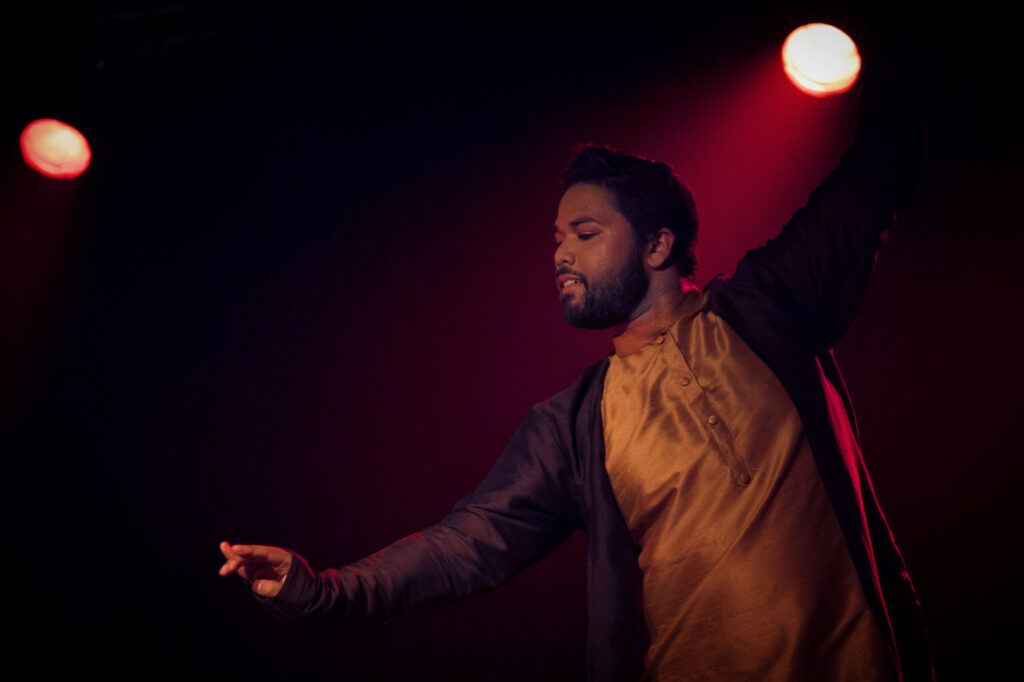
Alam opened with his own short solo creation, Haazri (Presence in Urdu), a showcase of the Kathak form in its traditional repertoire context. His virtuosic, repeated spins were an early indication that Kathak’s bravura demands are not so different from those found in ballet. Alam was accompanied by live musicians Mike Lukshis, Gandhaar Amin, Daksh Raj Sharma on a variety of percussive and string instruments, and vocals. As with musicians from the Royal Conservatory of Toronto’s Glenn Gould School who played for the ballet portions, all of the instrumentalists were amplified. This was unfortunate since it added a layer of artificiality to sounds best listened to acoustically.
Dying Swan
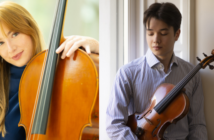
The ballet excerpts were performed by dancers from London’s Royal Ballet and Opera. It was a rare chance for a North American audience to experience that company in some of its homegrown repertoire. Principal Melissa Hamilton danced The Dying Swan, the iconic solo choreographed by Mikhail Fokine in 1905 for the legendary ballerina Anna Pavlova. Given its status as an exemplar of classical ballet formality, it was a perfect pairing for Haazri. Hamilton’s bourrées were exquisite and she movingly communicated the creature’s death. Cellist Juliana Moroz and pianist Jonathan Mak lovingly played Camille Saint-Saëns’ famous solo from his Carnival of the Animals.
Next came Dheerenda Tiwari’s Shivo-Aham An Ode to the Soul, choreographed by one of his mentors, Guru Pandit Rajendra Gangani. This grueling 12-minute solo showcased intricate arm movements, twirls and rhythmic footwork enhanced by the sound of ankle bells. This was paired with another male solo, The Dance of the Blessed Spirits, danced by Royal Ballet first artist, Marco Masciari. Created in 1978 by the company’s founder choreographer, Sir Frederick Ashton, it is set to music from Gluck’s opera Orfeo ed Euridice. Masciari beautifully captured Ashton’s signature focus on port de bras including a distinctive bent elbow position for his exciting sissone jumps. Feiran Bi played the famous flute solo prettily.
Kathak & Ballet Duos
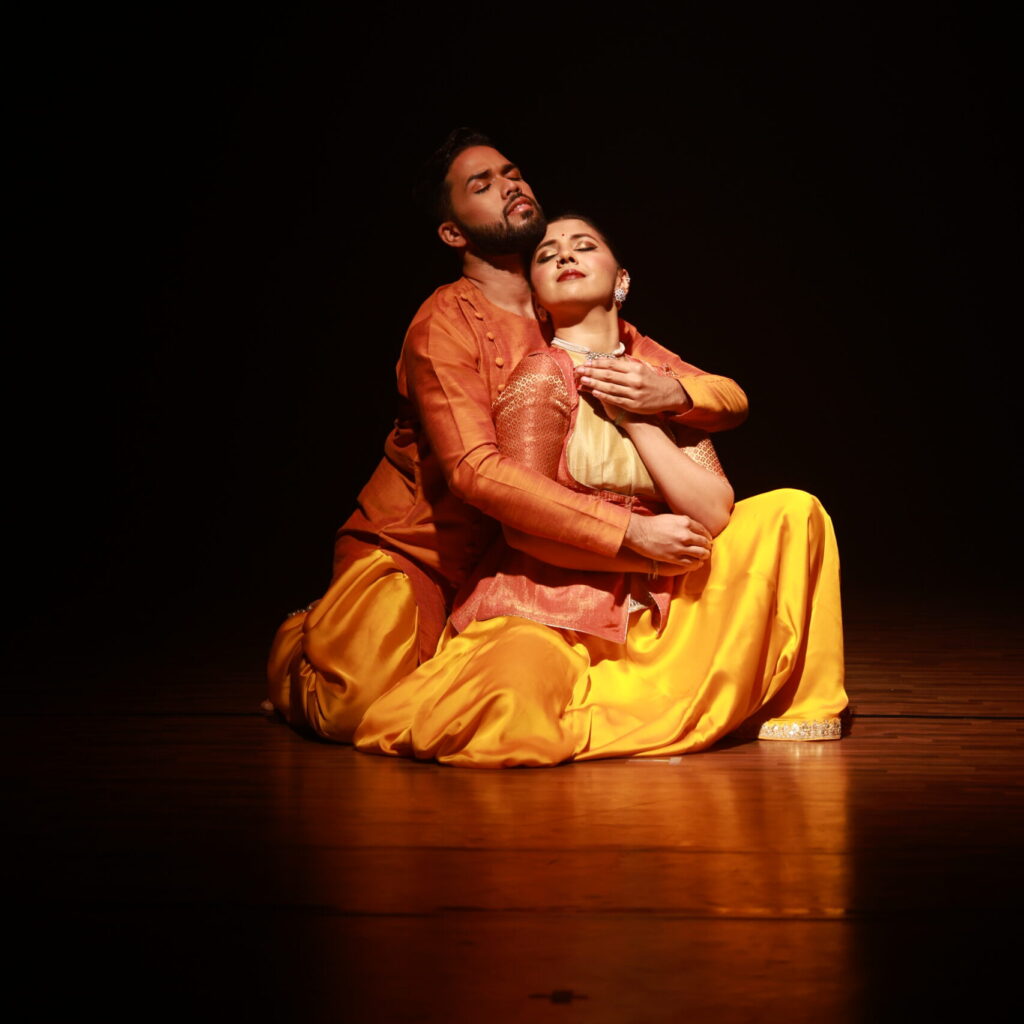
The first half concluded with a series of three duets. First, Alam returned with dancer Barkha Patela in his own choreography of a new Kathak duet. Rooted in the vocabulary and aesthetics of Kathak, the piece features lots of tricky unison arms. It is also a fascinating exploration of how a female/male duo doesn’t necessarily have to cling to Western romantic tropes. Infra saw the return of Masciari, this time with Royal Ballet soloist Viola Pantuso. The company’s Resident Choreographer, Wayne McGregor, created Infra in 2008 set to music by Max Richter. Pantuso and Masciari executed the sinuous pas de deux beautifully with its repeated high développés.
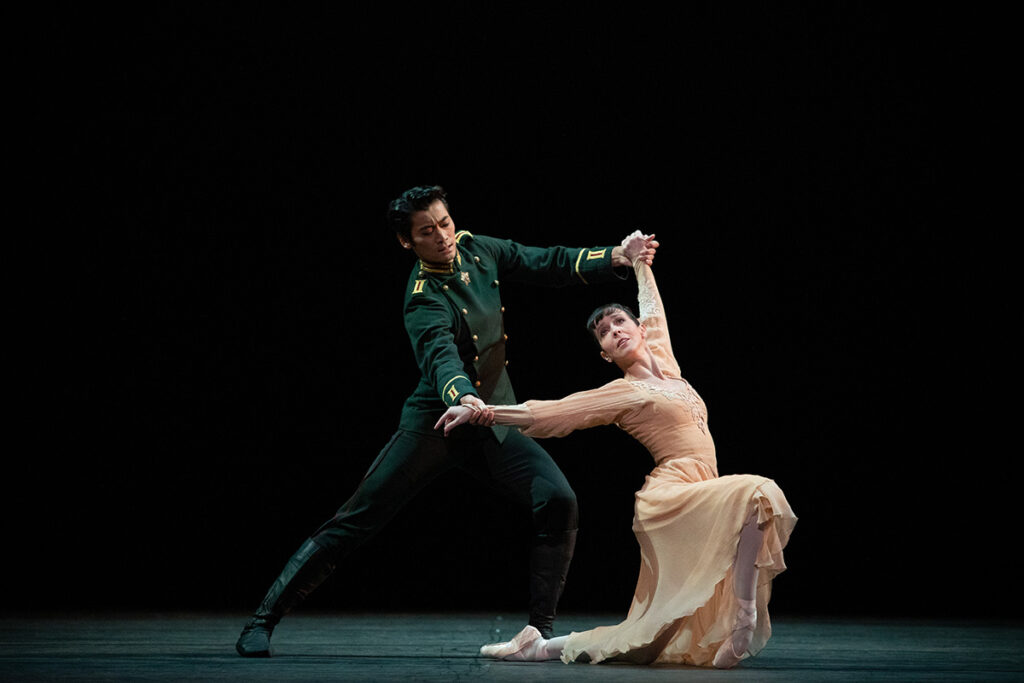
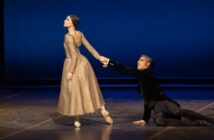
Winter Dreams was former Royal Ballet Director and Principal Choreographer Kenneth MacMillan’s 1991 ballet inspired by Chekhov’s play Three Sisters. This pas de deux, originally created for company greats Darcey Bussell and Irek Mukhamedov, preceded the full ballet eventually made by Macmillan. It charts the farewell between Masha and army officer Vershinin. Here it was danced by Hamilton and fellow principal Ryoichi Hirano. This was the afternoon’s biggest display of over the top, grand ballet dancing and emotion. Macmillan makes incredible athletic and histrionic demands, and this snippet left one wanting to see the full creation.
Nad-Roop Debut
The second half was dedicated to one work, Chaturang ki Chaupal, featuring the first Canadian appearance of the dance troupe, Nad-Roop, from Pune, India. The company’s founder, Guru Smt. Shama Bhate, spoke beforehand, expressing the hope that performances like this one would open doors for more Kathak to be included in other Western dance contexts. The 25-minute piece draws inspiration from Chaupal, an ancient dice game across which the five featured dancers (Kétaki Shah, Shraddha Mukhadé, Shréya Kulkarni, Prachiti Bhavé and Nayan Kohalé) move, guided by four ragas, or melodic frameworks. Relentless physical demands are made of the dancers in a work that highlights intricate arm and hand poses performed in perfect unison.
Kathak & Ballet questioned assumptions we might have about the hierarchical relationship between Western dance forms and those from other parts of the world. Let’s hope this is just the beginning for future explorations of this type of programming.
For more on Fall For Dance North visit www.ffdnorth.com