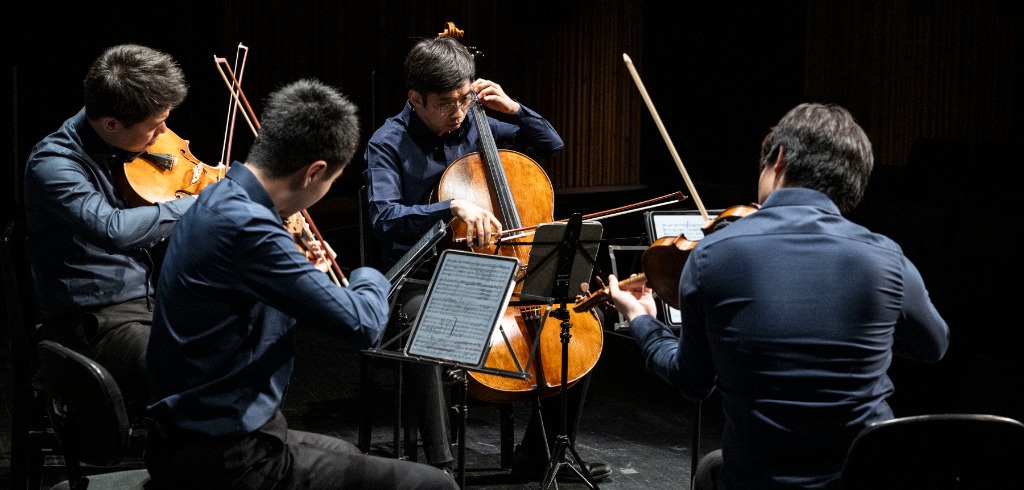
The Romantic round of the 15th Banff International String Quartet Competition finished Thursday morning (Aug. 28) and figuring which three groups will make it to Sunday’s final has gotten harder to predict. It’s rarely easy.
There were a couple of standout performances of a Haydn quartet in the first round. Quartet KAIRI and Quatuor Elmire, I thought put themselves in contention for the $4,000 Haydn prize, at least, and didn’t hurt their chances of playing for the three big prizes. Both also gave distinguished performances of their chosen Mendelssohn quartets for round two: Quartet No. 2, Op 13 in KAIRI’s case and Quartet No. 2, Op 44 in Elmire’s.
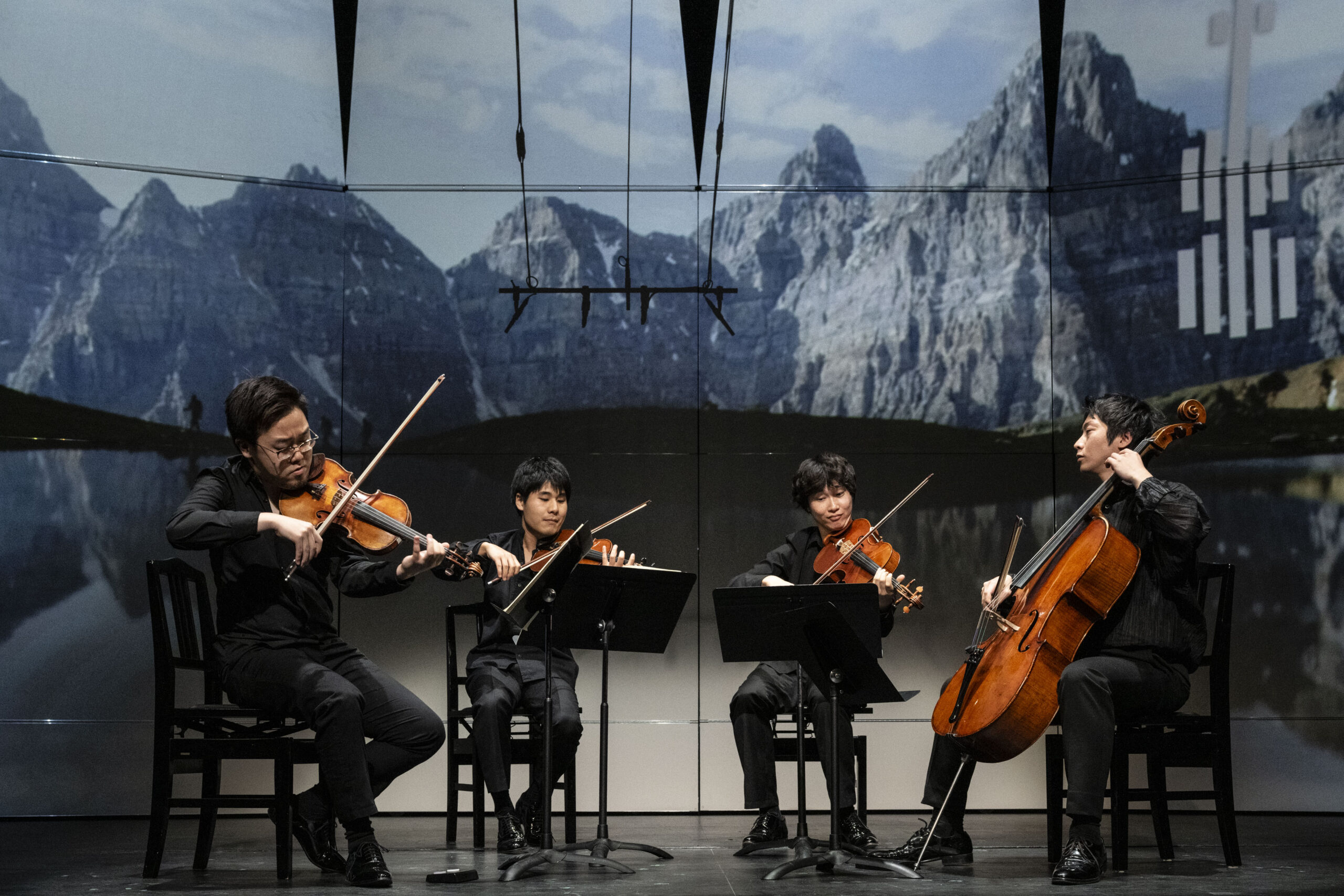
Choosing repertoire in a competition is undoubtedly strategic. The music, the ensembles hope, will highlight their strengths. Choosing Mendelssohn gave both quartets ample opportunity to display their control of beautiful quiet playing and also their power and technical alacrity.
Once again, KAIRI demonstrated exceptional control of shifting tempo, dynamics— character development, as it were. The last movement, marked Presto—Adagio non lento, gave them an opportunity to show their propulsive playing and intermittently, a lower gear, led by first violinist Taiga Sasaki, where their lyrical control shone. Their ending exquisitely conveyed a reverential feeling.

Elmire’s performance reinforced my initial impressions. The French group gave themselves considerable scope to demonstrate their musicianship as broadly as possible. Their chosen Mendelssohn quartet gives the cellist a foreground position in lots of the writing. Rémi Carlon did his duty to lay the foundation, but often, and not in any attempt to put himself forward as a star performer, led the ensemble with his nimble technique and musical personality.
Other groups also rose to the occasion. The American Poiesis Quartet performed a thrilling Brahms Quartet No. 3, Op 67 Wednesday afternoon (Aug. 27). There will be no prize for most interesting stage presentation, but Poiesis has a look that challenges chamber music tradition. The violist, Jasper de Boor, wore a long, sparkly wine-coloured dress with the same punk-style boots they wore with roomy green pants in the first round. Poiesis moves like one organism while it plays, drawing listeners into their obvious passion for their work, and the audience appreciated their performance with loud cheers and applause.

Germany-based Nerida Quartet also showed why they made the final cut for this competition. The ending of their Mendelssohn choice, Quartet No.3, Op 44, was spectacular. Molto allegro con fuoco is the composer’s tempo indication, and the ensemble, led by vivacious first violinist Saskia Niehl, was indeed on fire to the final bar. This was world-class sprinting, powered by a sense of urgency that was both palpable and yet masterfully controlled.
The quartets that chose to play Schumann (France’s Quatuor Magenta and the South Korean Arete Quartet) must have been aiming to show the Romantic period’s less excessive side. It’s doubtful the jury will be impressed by ostentatious sizzle, but the Schumann No. 1, Op 41 and No. 3, Op 41, gave less scope to show a range of emotional tolerances than the Brahms or the Mendelssohn.
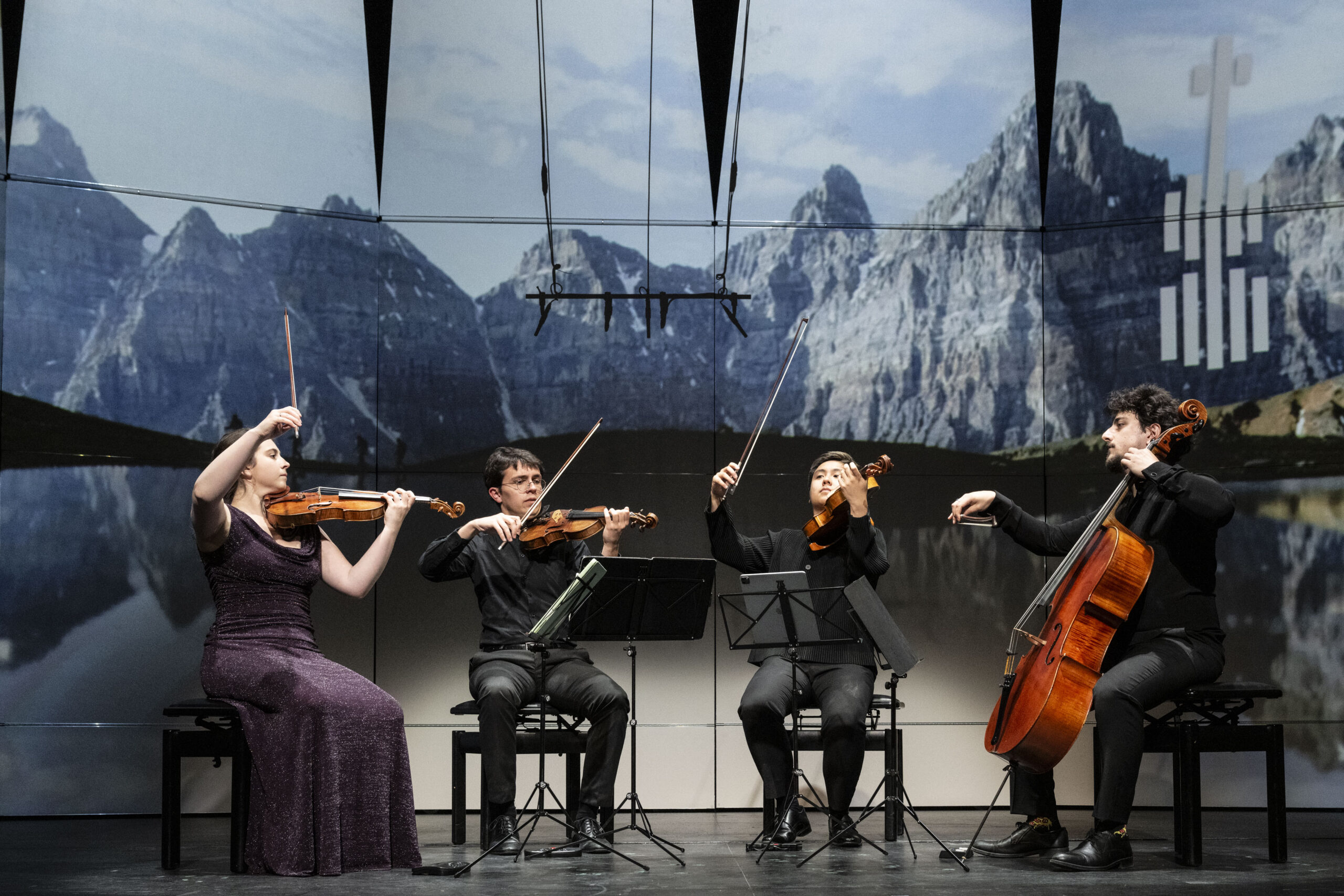
The two quartets who chose Debussy’s only quartet, the Cong Quartet (Hong Kong and China) and the Viatores Quartet (Berlin), opted for a more reflective take on romanticism—impressionism, really. No Sturm und Drang in this notion of romanticism. Viatores, in particular, clearly felt they knew what they were doing in choosing Debussy, and their performance captured all the sombreness and effervescence of the French composer’s work in the genre.
Banff International String Quartet Competition continues with Round 3 on Fri. Aug. 29 in which the competing quartets play a new commission by Canadian composer Kati Agócs. www.banffcentre.ca/bisqc