

This page is also available in / Cette page est également disponible en:
 Français (French)
This summer, the International First Peoples’ Festival (IFPF) will mark the 325th anniversary of the signings of the Great Peace of Montreal, which brought an end to a century of warfare between the Iroquois, the French, and their Indigenous allies.
It is essential to remember that before 1701, Montreal was a walled settlement with an uncertain future. The Great Peace transformed it into a major hub for trade and commerce in the fur trade, with the cooperation of the First Nations, who were still in full control of their territories at the time.
Not only was this a founding event for the city, but it was also important for all of North America and its modern identity. With some 1,300 representatives from 39 Indigenous nations in the Great Lakes region and the St. Lawrence Valley having signed the treaty, individuals like Antoine de la Mothe Cadillac, the French explorer who founded Fort Pontchartrain du Détroit in 1701, was able to establish a trading post in that area within a pacified zone.
IFPF Director André Dudemaine, who chaired the tricentennial commemorations around the Corporation of the Festivities of the Great Peace of Montreal (1701–2001), notes that this treaty was rarely mentioned in history classes in Quebec prior to 2001. He, therefore, praises the receptiveness of Pointe-à-Callière and Mayor Pierre Bourque who, at the time, paved the way for the first commemoration of this historic event, which nevertheless proved difficult to achieve.
Decolonizing Official History
Those festivities were more of a recollection that opened minds to the historical role played by First Nations. The picture we now have, and all the advances we have seen since then, are partly due to the 2001 celebrations. Now, IFPF marks the 25th anniversary of that commemoration and reflects on the progress made.
The Great Peace challenges the notion that First Nations were dependent upon the progress of colonization. On the contrary, they played a significant historical and culturally important part. This belief stems from the 19th century, when Indigenous lands were coveted. It was then that an official narrative began to unfold in which Indigenous nations were portrayed as victims or as mere subjects of a story being written without their input. By restoring their legitimate role—one whose impact endures to this day—we are working toward decolonization and reaffirming how, historically, the First Peoples were and remain sovereign nations.
Respect and Understanding
The message of the Great Peace is universal and deeply relevant today. Weapons of war were buried beneath a large white pine tree, which was uprooted for the occasion and then replanted. Some say the roots of this tree surface at ground level so that all people may find the path to peace.

Among First Nations people, the white pine acts as a powerful, active semiotic image. IFPF successfully advocated for its inclusion as a graphic representation of Indigenous heritage on the City of Montreal’s flag. It appeared in 2017 exactly where it was meant to be, as if it had grown naturally into place. This inclusion reminds us that we must move beyond tragic moments to achieve agreement and alliance.
A collective of artists from various disciplines will gather in the spirit of peace and humanism for Here the Tree of Peace Was Planted, a commemorative concert event, at Théâtre Outremont on Aug. 14. This closing event will combine music, song, and poetry in a burst of creativity and dialogue between First Nations cultures and Quebec society at large. Alexandre Éthier, a longtime ally of the Native cause and IFPF, is the show’s artistic director.

The event promises to be a celebration of friendship and cooperation that welcomes the audience to share in a moment of listening and harmony, creating a space of respect and understanding. The many artists lined up for the finale include; the Forestare guitar ensemble; Innu poet Joséphine Bacon (winner of the 2026 Dude Prize); the legendary Richard Desjardins; Atikamekw multidisciplinary artist Jacques Newashish; Wendat singer-songwriter Andrée Lévesque Sioui; Quebec soprano Marianne Lambert; author Éric Dupont; and Quebec writer Élise Turcotte.
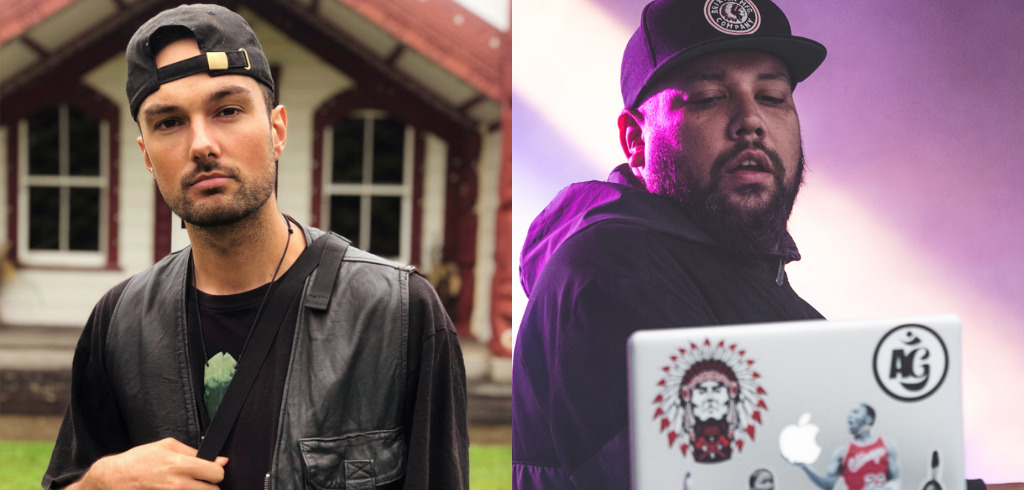
Also appearing at the festival is Shub, the Mohawk producer and the creative genius behind A Tribe Called Red. The pioneer of powwow-step has just released the second volume of his Heritage project and is back with a brand-new show scheduled for Place des Festival on Aug. 7. New Zealand rapper and artist Rei (Callum McDougall) of Māori descent (Ngāti Raukawa, Ngāti Huia, Ngāti Pākeha), will be backed by dancers demonstrating haka dances. Rei has been streamed more than 10 million times on Spotify and will perform at Place des Festival on Aug. 8.
International First Peoples’ Festival runs Aug. 4–14. www.presenceautochtone.ca
This page is also available in / Cette page est également disponible en:
Français (French)