

This page is also available in / Cette page est également disponible en:
 Français (French)
-
Alpha Classics4
Haydn 2032 Vol. 19, Trauer
Il Giardino Armonico; Giovanni Antonini, conductor
Alpha Classics, 2026
The 19th instalment of Haydn 2032—an ongoing project to record all of Haydn’s symphonies in honour of the 300th anniversary of his birth in 2032—centres on his funereal works. As conductor Giovanni Antonini remarks in his program notes, Symphonies No. 44 “Trauer” and 52 have “very little funereal about them.” Yet they have nevertheless been paired with Arvo Pärt’s Da Pacem Domine, written in honour of victims of the 2004 Islamist terrorist attack in Madrid, as well as Samuel Scheidt’s mournful Paduana Dolorosa. While the conductor admits these pairings “might seem odd,” he maintains these works have a “cathartic, contemplative function,” balancing the livelier aspects of Haydn’s symphonies.
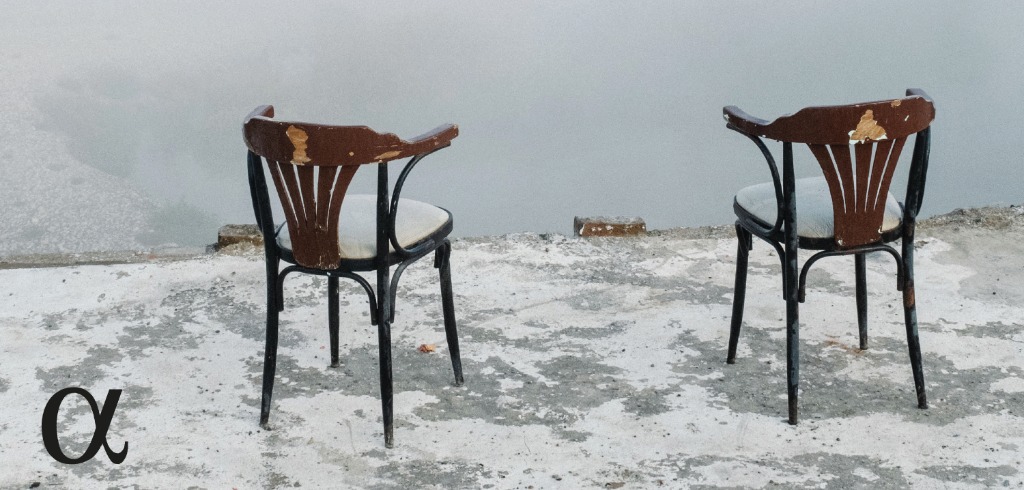
While Antonini’s notes, along with the accompanying photographs of tragedy, might seem like an opaque attempt to justify Haydn’s modern relevance, the album nevertheless succeeded in making me think. The Haydn on this recording is unlike any I have heard before, and I spent several days weighing Antonini’s approach against that of other ensembles.
Here, Haydn emerges as a dramatist. The performance is sharp, ornate, and full of character. Fast tempos and strong dynamic contrasts create a powerful sense of drive, yet the piece’s forward momentum is carried primarily by the upper melodic lines. In this approach, the various parts of the orchestra are less unified—each acts as a layer in the harmonic form, rather than contributing to a seamless collective flow.
This diminished integration between melody and accompaniment, coupled with the stark contrast between musical sections, is a distinctly baroque approach. It is particularly well-suited to the intense theatricality of Vivaldi’s music, and Antonini’s Vivaldi recordings are my absolute favourites. Yet while his performance of Haydn is highly accomplished and offers a striking counterpoint to more formally integrated interpretations, I did not feel that it fully captured what is most remarkable about Haydn’s music: its extraordinary seamlessness of formal continuity, even amid the sudden contrasts and musical jokes.
This page is also available in / Cette page est également disponible en:
Français (French)