
This page is also available in / Cette page est également disponible en:
 Français (French)
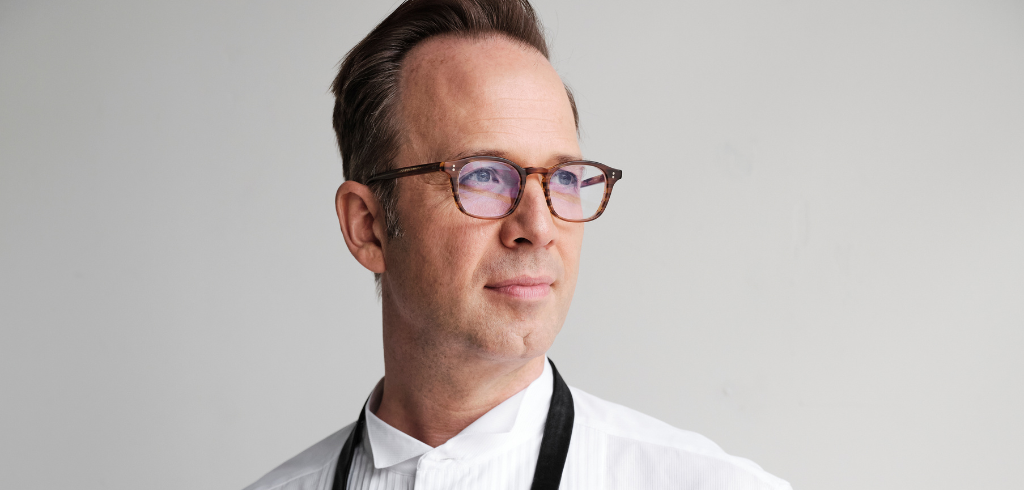
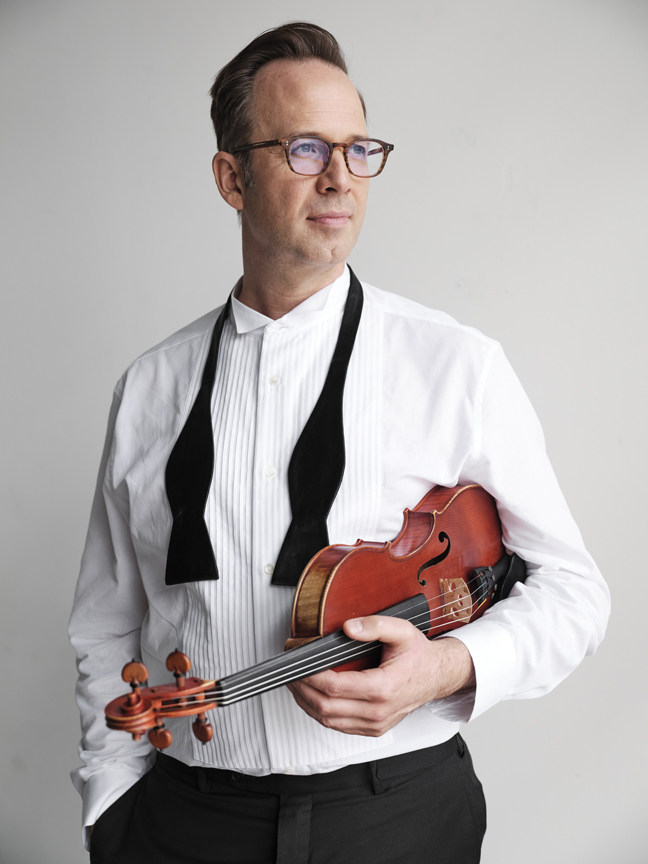
Toronto Summer Music, which celebrates its 20th anniversary from July 9 to Aug. 1, has a new artistic director at its helm. A violinist and chamber musician with a strong background in fiddling, William Fedkenheuer is uniquely positioned to lead the festival’s threefold mission: presenting concerts in Toronto’s Koerner and Walter halls, running a fellowship program for emerging artists, and offering a community program for advanced amateurs.
Fedkenheuer notes that although the integration of all these elements is “overwhelming sometimes,” it also opens up unique opportunities in each sphere. “There’s not many programs where the professionals play with the fellows,” he explains, pointing to the program’s series of Regeneration concerts. “We talk to them about finances and what it takes to build a career, from management to concert organizing.”
As a university professor, artistic director and a member of the renowned Miró Quartet, Fedkenheuer’s profile exemplifies the fact that, in most cases, an artist must be able to wear many different hats. “The skillset that I have to have is very wide,” he says.
To build a career, it is important to identify your strengths while also recognizing areas that need growth. “Let’s get you some relationships that can help you build those so that, alongside this incredible gift you have as an artist, you have these supporting skills that can really help you take off into the things you want to do.”
Fedkenheuer’s own musical journey has been marked by many mentors— a wealth of inspiring teachers and performers, but also people outside the musical field. A youth spent performing with the Calgary Fiddlers led him to go on a tour to Disney World at age seven, play for Brian Mulroney, and shake hands with bank executives. One CIBC president he met as a cultural ambassador for the Fiddlers is still in Fedkenheuer’s life today, providing invaluable mentorship on the “financial side of things.”
In contrast to classical music, Fedkenheuer notes that “in the world of fiddling and [country]western music, there’s much more of a dialogue around money. And it’s not just that there’s a lot more of it, it’s that they’re really focused on, you know, how are these finances working? How are we supporting it? … And there’s a lot more actual public information” about the state of financial affairs.
Country music has not only influenced Fedkenheuer’s perspective on finances, but he also believes it can provide invaluable insight into classical music’s broader conversations on audience reach and relevance. “Classical artists are constantly looking to evolve and not repeat the same thing. And I’m interested in that, too,” he says. Taking the example of Garth Brooks, Fedkenheuer notes that country performances are marked by a “core, direct” conversation with the audience. “Talking from stage and being vulnerable about what a piece means to you,” is one way he sees classical performers connecting more deeply with audiences. Another, he says, is in the “programming itself,” designed to “build conversations” between forms, artists, and eras.
2026 TSM Highlights
Folk Music
In his July 21 concert, Two Sides of the Same Fiddle, Fedkenheuer will explore the surprising similarities between fiddle and classical music. The first half consists of some “real traditional Brahms and Beethoven,” pieces that have “elements of folk music.” The Dvořák sonatina which follows “takes an even deeper twist into more folk music.” In the second half of the concert, members of The Fretless, Ben Plotnick and Eric Wright, will join Fedkenheuer in the performance of fiddle tunes.
Other notable folk and genre-blending concerts include Kleztory on July 20, and Gabriel Kahane and Pekka Kuusisto on July 27, who will perform a “fascinating” program of songs and chamber music on a variety of modern and traditional instruments.
Chamber Music
The current winners of the Banff International String Quartet Competition—Poiesis Quartet— will perform an eclectic program of contemporary works and a Brahms piano quintet with Philip Chiu on July 22. “They’re very much going to be talking and bringing us into their world and the technique—sort of bringing the audience into the piece before the piece has started,” says Fedkenheuer.
The festival also features last year’s winners of the Banff competition. Members of both the Viano and Dover Quartets will perform in Improbable Faces on July 17. Fedkenheuer’s own Miró Quartet will perform a program of Haydn, Beethoven and Caroline Shaw on July 29.
Vocal Music
On July 9, the festival’s opening act is none other than renowned French baroque ensemble Les Arts Florissants. “They perform two early music operas,” says Fedkenheuer, “but they do unusual things. There are dancers, soloists, and a small orchestra. …We expect that to be a sellout.”
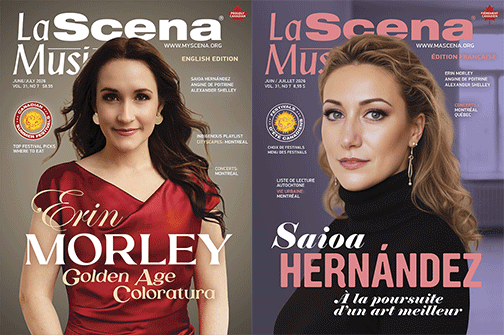
Another vocal highlight is cover artist soprano Erin Morley and tenor Lawrence Brownlee, who will perform Golden Age on July 16. “Morley has an incredible voice, and this will be her Canadian debut. The program presents opera in duet form, allowing audiences to hear repertoire that would normally require seeing an entire opera.”
Toronto Summer Music runs from July 9–Aug. 6.
www.torontosummermusic.com
This page is also available in / Cette page est également disponible en:
Français (French)